





Wala akong hilig sa lalaking matanda
Ang hilig ko ay lalaking batang-bata
Tigas tuhod, sarap umibig
Higit sa lahat amoy pinipig
Ang babaeng gurang, makulit, mabunganga
Happy na ako sa babaeng batang-bata
Walang sungay, tunay ang pag-ibig
Higit sa lahat amoy pinipig
CHORUS
‘Pag pumatol sa ‘yo ang isang batang-bata
Agad pasalamatan ang iyong tadhana
Para kang nanalo sa lotto at jueteng
Kung ayaw maniwala, si Dolphy’y tanungin
AD LIB
[Repeat CHORUS]
Puti man ang buhok, hindi ka tatanda
Kapag umibig ka sa syotang batang-bata
Makinis, malambing, ang sarap umibig
Higit sa lahat amoy pinipig
Inyong-inyo na ang syotang matanda
Ang trip ko’y syotang batang-bata
May asim, ang sarap umibig
Higit sa lahat amoy pinipig
Hindi amoy lupa, amoy pinipig
Ang sarap i-display, amoy pinipig
Hindi amoy lupa, amoy pinipig
Hindi nakakasawa, amoy pinipig
Hindi amoy lupa, amoy apinipig
Laging pangarap, amoy pinipig
Hindi amoy lupa, amoy pinipig
Pampainit ng dugo, amoy pinipig
Syotang batang-bata, amoy pinipig
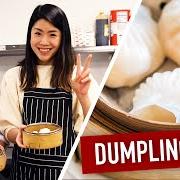
Dim sum is a large range of small Chinese dishes that are traditionally enjoyed in restaurants for brunch. Most modern dim sum dishes are commonly associated with Cantonese cuisine, although dim sum dishes also exist in a few other Chinese cuisines. In the tenth century, when the city of Canton (Guangzhou) began to experience an increase in commercial travel, many frequented teahouses for small-portion meals with tea called "yum cha" (brunch). "Yum cha" includes two related concepts. The first is "jat zung loeng gin", which translates literally as "one cup, two pieces". This refers to the custom of serving teahouse customers two delicately made food items, savory or sweet, to complement their tea. The second is dim sum, which translates literally to "touch the heart", the term used to designate the small food items that accompanied the tea.
