







Come Running Back
Dean Martin
(Come running back)
If you find your new love isn't what you thought it would be
If your nights are lonely now and you need more sympathy
Baby, come running back to me
Come running back to me
Back to the arms that long to hold you forever and ever
If you find his lips don't thrill you like mine used to do
And you see me smiling at you when he's holding you
Baby, come running back to me
Come running back to me
Back to the arms that long to hold you forever and ever
If you realize that you were wrong to say goodbye
Don't allow your foolish pride to let true love go by
Baby, come running back to me
Come running back to me
Back to the arms that long to hold your forever and ever my love
Come running back
(Come running back)
Come running back
(Come running back)
Come running back
Dean Martin, born Dino Paul Crocetti on June 7, 1917, in Steubenville, Ohio, was an Italian-American singer, actor, and comedian. The son of Italian immigrants from Montesilvano, Abruzzo, Martin began his musical career in New York clubs in the 1940s, adopting the stage name Dean Martin after tenor Nino Martini. In 1946, he formed a comedy duo with Jerry Lewis, which became one of the most popular and enduring in entertainment history. Together they made sixteen films, including "My Friend Irma" (1949) and "Hollywood or Bust!" (1956), and appeared on hugely successful television programs like "The Colgate Comedy Hour". After separating from the duo in 1956, Martin continued to have a successful career as both an actor and a singer. He played memorable roles in films such as "Some Came Running" (1958) and "Rio Bravo" (1959), and achieved international success with songs like "That's Amore" (1954), a declaration of love for Naples and its culture. In the 1960s, Martin became one of the founding members of the Rat Pack, a group of entertainers that included Frank Sinatra, Sammy Davis Jr., and Peter Lawford. The Rat Pack became famous for their exuberant shows and memorable performances in Las Vegas. In 1965, Martin began hosting his own television show, "The Dean Martin Show", which was a huge success until 1974. Martin continued to appear in films and record music until the late 1980s, when he retired from performing after a tour with Sinatra and Davis Jr. He died on December 25, 1995, from emphysema. Dean Martin is remembered as one of the greatest entertainers of the 20th century, a versatile talent who left an indelible mark on music, film, and American culture.

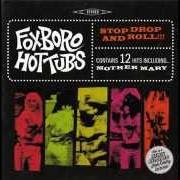 Foxboro Hot Tubs
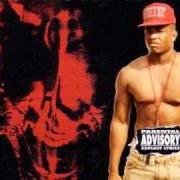 Ganksta N-I-P
 Joe Satriani
 Raphael Saadiq
 Justin Young
 Corrosion Of Conformity
 Eternal Reign
 Living Colour
 Susan Haynes
 The Doobie Brothers
 The Dreamers
 Mighty Mighty Bosstones