




Behh, Buti Nga by Dimsum
Noong nililigawan pa kita
Hindi mo ako pinapansin
Ang gusto mo’y taga-La Salle
Wala kang time sa akin
Ang sabi mo pa nga: “How cheap naman. You’re so baduy.”
Ang puso ko’y dinurog mo
Ang puso ko’y dinurog mo
Sinaktan at binitin
Noong nililigawan ka namin
Kami’y iyong hindi pinapansin
Porke’t kami’y hindi taga-La Salle
Wala kang time sa amin
Ang sabi mo pa nga: “Kadiri to death. He’s so jologs.”
Iniisnab-isnab kami
Iniisnab-isnab kami
Sinaktan at binitin
CHORUS
Behh, buti nga, behh, buti nga
Iniwan ka ng iyong La Sallista
Ngayo’y malungkot ka’t nag-iisa
Behh, buti nga, behh, buti nga
Behh behh behh behh, buti nga
Noon ay crush na crush kita
Hindi mo ako pinapansin
Ang gusto mo’y Assumptionista
Wala kang time sa akin
Ang sabi mo pa nga: “How chaka, pare. She’s so baduy”
Iniisnab-isnab ako
Iniisnab-isnab ako
Sinaktan at binitin
CHORUS
Behh, buti nga, behh, buti nga
Ngayon ay hot babe na ako
Siguro’y tumutulo ang laway mo
Behh, buti nga, behh, buti nga
Behh behh behh behh, buti nga
Ngayon ay seksing seksi na ako
Siguro’y tumutulo ang laway mo
Behh, buti nga, behh, buti nga
Behh behh behh behh, buti nga
Behh, buti nga, behh, buti nga
Ngayon ay big time na kami
At nariyan ka pa sa isang tabi
Behh, buti nga, behh, buti nga
Behh behh behh behh, buti nga
Behh, buti nga, behh, buti nga
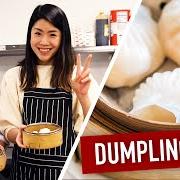
Dim sum is a large range of small Chinese dishes that are traditionally enjoyed in restaurants for brunch. Most modern dim sum dishes are commonly associated with Cantonese cuisine, although dim sum dishes also exist in a few other Chinese cuisines. In the tenth century, when the city of Canton (Guangzhou) began to experience an increase in commercial travel, many frequented teahouses for small-portion meals with tea called "yum cha" (brunch). "Yum cha" includes two related concepts. The first is "jat zung loeng gin", which translates literally as "one cup, two pieces". This refers to the custom of serving teahouse customers two delicately made food items, savory or sweet, to complement their tea. The second is dim sum, which translates literally to "touch the heart", the term used to designate the small food items that accompanied the tea.
