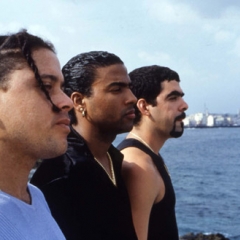








Eran uno dos y tres
Los mosqueteros
Mi guitarra ya no suena
Ya no se quiere afinar
Porque extraña a su guajiro
A su arroyo y su palmar
Y para él tiempo que nos queda
Es momento de cambiar
A la gente de mi tierra
Siempre les voy a cantar
Se que me fui de cuba
Pero se que cuba no se fue de mi
Cargué con mi fe yoruba
Pero mis santos, mis santos sigue ahi
En aquel solar
Ahí ahí ahí en aquel solar
Yo en la Habana nací
En La Habana me crié
Escuando a Adalberto,los Van van y Revé
Luego me fui
No te niego que me fui
Pero el mundo conoció
El rap cubano aquí en París
Y lo demás, lo demás ya tu lo sabes
Yotuel, Ruzzo Roldan fuimos la llave
A lo cubano, esa fue la clave
Cambiamos el destino de la música en la calle.
Se que me fui de cuba
Pero se que cuba no se fue de mi
Cargué con mi fe yoruba
Pero mis santos, mis santos sigue ahi
En aquel solar
(Ruzzo) Escucha familia
Le ronca el mango
Este gorrión me esta picoteando
Y me deseo no aguanta tanto
Voy pal barrio
Ha recorrer mi isla entera
de Pinar del Río a Santiago
Y voy hacer una pausa en mi casa
Pa'que mi hermanita
Me peine las pasas
Agradeciendo del Cerro hasta Francia
(Roldan) Mu guitarra ya no suena.....
Orishas are a Cuban Latin rap musical group formed in Havana in 1999. The group consists of Yotuel Romero, Ruly, and Julito, who met during the 1990s in Cuba. Their music blends elements of rap, salsa, son cubano, and reggaeton, creating a unique and engaging sound. Orishas gained international fame with their album "El Son de la Vida" (2000), which sold millions of copies worldwide. The group is known for its socially and politically charged songs, addressing themes such as poverty, social justice, and the fight against racism. Among their most famous songs are "A La Calle", "El Son de la Vida", and "Angelitos Negros". Orishas have collaborated with internationally renowned artists such as Wyclef Jean and Manu Chao. Their musical style has influenced several generations of Latin American artists.

 Siniestro Total
 Pica-Pica
 Azrael
 Marea
 Ella
 Manel
 Javi Cantero
 David Bisbal
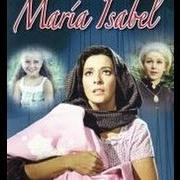 María Isabel
 Raphael
 Joan Manuel Serrat
 Mago De Oz