


i nikad se necu vratit
u svoj rodni grad
tamo me ne ceka niko
i vec odavno su izblijedila sva lica
i vec odavno imena i mi ne znam
samo ponekad zimi
sjetih se tebe
tebe moja bivsa draga
neke njeznosti davne
nesto mi sapne u srcu i znam
da sam na svijetu sam
i da te ponovo vidim
sta bih ti o sebi mogao reci
osim da sam sreo mnogo ljudi
a da ni prijatelj nije bio nijedan
i da sam bio
i gladan i slavan i veseo i placan
i bijedan
i da me ljubilo mnogo zena
a da nijednu volio nisam
nesto mi sapne u srcu i znam
da sam na svijetu sam
moja draga moja draga
bivsa draga
moja draga
i evo umoran starac sam sad
mada izgledam mlad
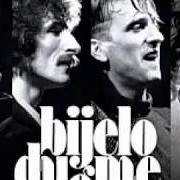
Bijelo Dugme (meaning "White Button" in English) was a highly influential former Yugoslav rock band, based in Sarajevo. Active between 1974 and 1989, it is widely considered to have been the most popular band ever to exist in the former Socialist Federal Republic of Yugoslavia and one of the most important acts of the Yugoslav rock scene. The group achieved extraordinary success during the 1980s, selling millions of records and becoming a cultural symbol for the entire region. The music of Bijelo Dugme is characterized by a fusion of rock, pop, Balkan folk and jazz influences, with lyrics often focusing on social, political and romantic themes. Their distinctive sound and energetic performances helped define the musical identity of Yugoslavia during that historical period. Among their most representative songs are "Topla jutra", "Lijepa lijepa", "Selam" and "Tako ti je, drago moj". The album "Eto, ja sam“ (1980) is considered one of their most important works.

 Goran Bregovic
 Jala Brat
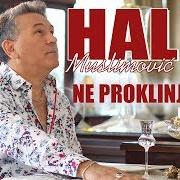 Halid Muslimovic
 Lepa Brena