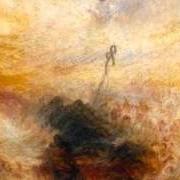









Ego sum abbas Cucaniensis
et consilium meum est cum bibulis,
et in secta Decii voluntas mea est,
et qui mane me quesierit in taberna,
post vesperam nudus egredietur,
et sic denudatus veste clamabit:
(Baritone and Male Chorus)
Wafna, wafna!
quid fecisti sors turpassi
Nostre vite gaudia
abstulisti omnia!
Carl Orff (Mühlhausen, July 10, 1895 – Munich, March 4, 1982) was a German composer of the 20th century, best known for his cantata "Carmina Burana" (1937). In addition to his career as a composer, Orff developed an influential method of music education for children. His music, often inspired by folk traditions and ancient rituals, is characterized by catchy melodies, energetic rhythms, and innovative use of polyphony. Among his most famous works are also "Der Mond" (1925), "Antigonae" (1930) and "Triumph of Aphrodite" (1947). Orff has made a significant contribution to 20th-century music, influencing generations of composers and music teachers.

 Kaija Koo
 Karin Stanek
 Emma6
 Fly
 Impending Doom
 Michael Cretu
 The Baseballs
 Detonation
 Mk
 Part Time Punx
 Moti Special
 Vanessa Mai