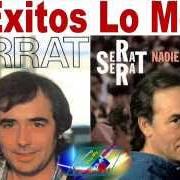








Soplaban vientos del sur
Y el hombre emprendió viaje.
Su orgullo, un poco de fe
Y un regusto amargo fue
Su equipaje.
Miró hacia atrás y no vio
Más que cadáveres sobre
Unos campos sin color.
Su jardín sin una flor
Y sus bosques sin un roble.
Y viejo
Y cansado
A orillas del mar
Bebióse sorbo a sorbo su pasado.
Profeta ni mártir
Quiso Antonio ser.
Y un poco de todo lo fue sin querer.
Una gruesa losa gris
Vela el sueño del hermano.
La hierba crece a sus pies
Y le da sombra un ciprés
En verano.
El jarrón que alguien llenó
De flores artificiales,
Unos versos y un clavel
Y unas ramas de laurel
Son las prendas personales,
Del viejo y cansado que
A orillas del mar
Bebióse sorbo a sorbo su pasado.
Profeta ni mártir
Quiso Antonio ser.
Y un poco de todo lo fue sin querer.
Joan Manuel Serrat i Teresa (Barcelona, 1943) is one of the most beloved and influential Spanish singer-songwriters of all time. His career, which began in the 1960s, is characterized by a deep poetic sensibility, the skillful use of the Catalan language, and a repertoire that ranges from folk to songwriting, passing through jazz and popular music. Serrat is known for his intense and emotional interpretations, often accompanied by an acoustic guitar. Among his most famous songs are "Testament", "La Mala Vida", "Mediterráneo" and "El Cantante", the latter becoming an anthem for freedom of expression. Serrat has collaborated with numerous international artists, including Pablo Milanés and Víctor Jara. Throughout his long career he has won numerous awards, including the Premio Nacional de Música (1986) and the Grammy Award for Lifetime Achievement (2007). His music has been a source of inspiration for generations of musicians and continues to be appreciated worldwide.

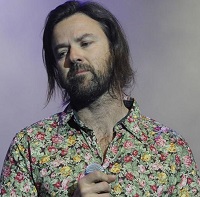 Jarabe De Palo
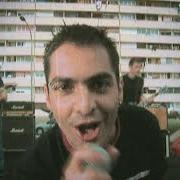 Melon Diesel
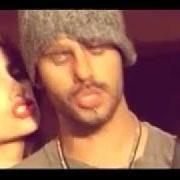 Eduardo Cruz
 Hombres G
 María Aguado
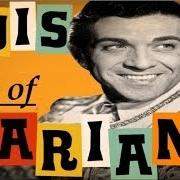 Luis Mariano
 India
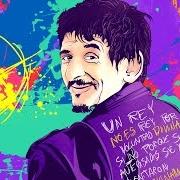 La Polla Records
 Rozalén
 La Frontera
 Ketama
 Natalia Rodríguez