



Sou feliz por um triz
Por um triz sou feliz
Mal escapo à fome
Mal escapo aos tiros
Mal escapo aos homens
Mal escapo ao vírus
Passam raspando
Tirando até meu verniz
O fato é que eu me viro mais que picolé
Em boca de banguelo
Por pouco, mas eu sempre tiro o dedo - é
Na hora da porrada do martelo
E sempre fica tudo azul, mesmo depois
Do medo me deixar verde-amarelo
Liga-se a luz do abajur lilás
Mesmo que por um fio de cabelo
Sou feliz por um triz
Por um triz sou feliz
Eu já me acostumei com a chaminé bem quente
Do
Expresso do
Ocidente
Seguro que eu me safo até muito bem
Andando pendurado nesse trem
As luzes da cidade-mocidade vão
Guiando por aí meu coração
Chama-se o
Aladim da lâmpada neon
E de repente fica tudo bom
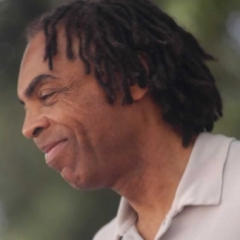
Gilberto Gil, born Gilberto Passos Gil Moreira on June 26, 1942, in Salvador de Bahia, Brazil, is an internationally renowned singer-songwriter, musician, and politician. Considered one of the pillars of Brazilian music, Gil has gone through various musical phases, from bossa nova to progressive rock, influencing generations of artists with his versatility and social commitment. He began his career in the 1960s with a psychedelic and folk sound, anticipating the sounds of the Brazilian Tropicalismo movement. Over the years, he has collaborated with artists such as Caetano Veloso, Gal Costa, and Tom Zé, contributing to shaping Brazil's musical identity. Gil was also Minister of Culture from 2003 to 2008, demonstrating a strong political commitment to promoting art and culture in his country. Among his most representative songs are "Expresso 2222", "Aquele Abraço" and "Domingo no Parque". Gilberto Gil remains an iconic figure in the Brazilian music scene, appreciated both for his innovative music and his social engagement.

 Silva
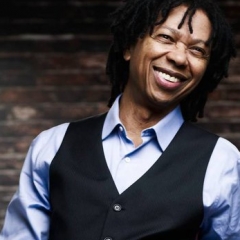 Djavan
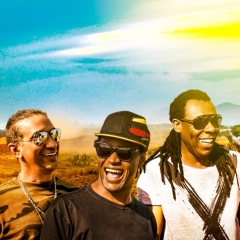 Cidade Negra
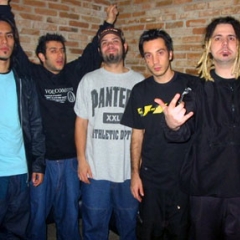 Cpm 22
 Céu
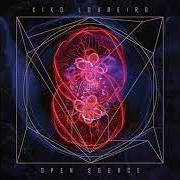 Kiko Loureiro
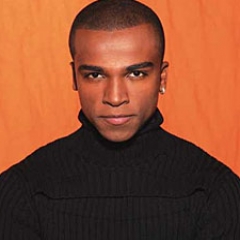 Alexandre Pires
 Cachorro Grande
 Banda Eva
 Humberto E Ronaldo
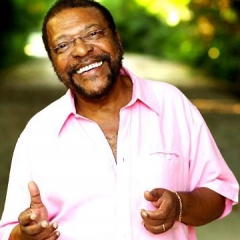 Martinho Da Vila
 Saulo Fernandes