


Kitsuku hiita akai ruuju yodoshitemo kamawanai
Anata ga mada tamerau nara owari ni shite mo ii
Asu wo tada mamoru dake no kyoo nara hoshikunai
Yasashisa mo wakaru keredo kono mama ja irarenai
Burning Love Burning Love hi wo tsukete
Moo ai wa tomaranai
Burning Love Burning Love kowashitai
Ah... kinoo no futari wo...
Koi wo shiteru mune no kotoo itsuka wa kiete yuku to
Hanashi soo ni tsubuya iteta anata wo mitsumeteru
Samishisa wo umeau dake datta to omoenai
Ano koro no ano tokimeki ima koko de modoshitai
Burning Love Burning Love hi wo tsukete
Ima ai ga isoideru
Burning Love Burning Love kowakunai
Moo naitari wa shinai
Burning Love Burning Love tashikamete
Ima anata no subete de
Burning Love Burning Love shinjiteru
Ah... hajimatta futari...
Asu wo tada mamoru dake no kyoo nara hoshikunai
Yasashisa mo wakaru keredo kono mama ja irarenai
Burning Love Burning Love hi wo tsukete
Moo ai wa tomaranai
Burning Love Burning Love kowashitai
Ah... kinoo no futari wo...
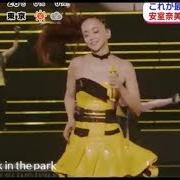
Namie Amuro is a Japanese singer, dancer, and actress considered an icon of pop music in Japan and Asia. Born in Okinawa in 1977, she debuted as a member of the idol group Super Monkey's at the age of 14. In 1995, she embarked on her solo career with the single "Don't wanna cry", which became an immediate success and established her as one of Japan's most popular artists. Amuro is known for her musical versatility, moving from pop dance to R and B, hip-hop and electronic music, always maintaining a modern and captivating image. Her influence on Japanese culture has been profound, compared to that of artists like Janet Jackson and Madonna. Among her most representative songs are "Can You Celebrate?", "Body Feels EXIT" and "Fighter". In 2018 she announced her retirement from the music scene after a career of over two decades, leaving an indelible legacy in the Japanese musical landscape.

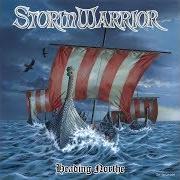 Stormwarrior
 Luna Sea
 Ina
 Penicillin
 Tha Blue Herb
 Plastic Tree
 Hi-Standard
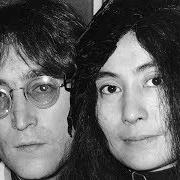 Yoko Ono
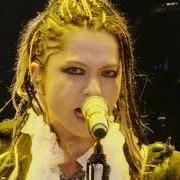 L'Arc~en~ciel
 Joker
 Intensity
 Bloodbound