





He threw his hopes into the wind
To see if they would pin on her again
He threw his heart against the wall
To see if it would stick or fall
She put her arms around him
And said you are forgiven
He said well youre the only thing
That makes life worth living
When you live into the wind
He pushed the rock up to the top
Until it rolled back down the mountain
He did it once, now he cant top
But hell never quit complaining
She tells him why he does it
It must be because he needs to
He takes his hands away
And the rock doesn not roll down
It sits firm into the wind
Why cant he see
He creates these situations
Its not to be or not to be
Nothings that easy
He builds a home paper on sand
And awaits congratulations
The wind blows once, the house falls down
And he wails amidst the ruins
For all the time that he spent working
On this worthless enterprise
She stands him on a rock and says
A word to the wise
If you live into the wind...
He doesnt feel the cold today
He doesnt worry about tomorrow
He doesnt build a house of cards
Just so he can knock it down
He takes her in his arms
His overconfidence returning
And laughs with her when she says
We have love to burn
If it burns into the wind.
John Wesley Harding is the stage name of Robert Allen Zimmerman, better known as Bob Dylan. The album "John Wesley Harding", released in 1967, marks a turning point in his musical career. After the explosion of folk rock and the social protests of the 1960s, Dylan moves away from more electric and engaged sounds to embrace a more introspective and minimalist country-folk style. The album features songs like "All Along the Watchtower", "The Ballad of Frankie Lee and Judas Priest" and "I Dreamed I Saw St. Augustine", which reflect a more personal and poetic approach, with lyrics often dark and enigmatic. The influence of country music is evident in simple arrangements and catchy melodies. John Wesley Harding represents a transitional phase for Dylan, marking the beginning of a musical journey that will lead him to explore new genres and sounds.

 Lisa Stansfield
 Polar
 Jacob Banks
 Billy Bragg
 Daniel Bedingfield
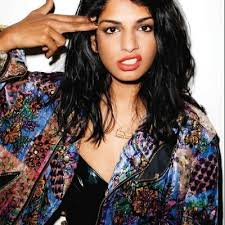 M.I.A.
 Maxi Priest
 Jeff Beck
 Sampha
 V
 Deepest Blue
 Julian Perretta