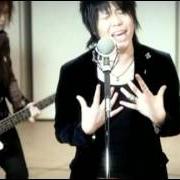



Irodori no Sanka
Hateshinai michinori tameiki tsuki utsumuite
Furikaeru koto mo shirazu koe wo koroshi mi wo hisome
Itametsukete umu kizuguchi wo namida de kakushitemite mo
Naori ga osokunaru dake kao wo agete
Ruri no iro ni kagayaku sora daichi ha moete inori wo tataeru
Hito ha toki ni kidzukanu mama taisetsu na mono ushinatte shimau keredomo
Hikari ha tooku de terashiteru
Kanashimi no namida ha taezu toki ni nagasarete
Jiyuu to iu hata no moto ni mata ayamachi kurikaesu
Shiro ni kuro ni aka ni kiiro ni wakare umare ochite mo
Motomeru negai no koe ni chigai ha nai kara
Ruri no iro ni kagayaku sora daichi ha moete inori wo tataeru
Hito ha tsune ni kaze ni nosete utai tsudzukeru ai michi afureta kotoba wo
Hikaru ha yasashiku susunderu
Kono chijyou ni ibuku inochi ga yagate horonde mu ni kisuru toshite
Saigo no hi ha kono mune ni tada anata wo dakishime soshite waraitai
Hito ha dare mo kodoku no naka ate mo nai mama samayou tabibito
Dakedo itsuka kidzukudeshou hitori de ha naku hitori da to iu koto ni
Hikari ha eien ni sono me wo hosomete matteiru
Kagrra, are a Japanese visual kei musical group formed in 1998. The comma is an integral part of the name and was added when the band moved from an indie label to a major label in 2003 under Columbia Records. Their musical style is characterized by a fusion of gothic, metal and traditional Japanese rock elements, with lyrics often focusing on dark, spiritual and philosophical themes. Kagrra, achieved considerable success in Japan during the 2000s, releasing several albums and singles that contributed to defining the aesthetics and sound of visual kei. Among their most representative songs are "Kagerou", "Yume no Hana" and "Akai Tsuki". The band ceased activities in 2010, leaving a significant mark on the Japanese music scene.

 The Country Gentleman
 Hi-Standard
 Luna Sea
 Yuki
 Garnet Crow
 Sug
 Mika Nakashima
 Billy No Mates
 Uverworld
 Greeeen
 The Gazette
 Sturm Und Drang