




Yume ni madoi hito kage oeba me me ni utsurishi soko wa rakuen
Sono e hiroge mukaeshi sugata ougon no mi kakaeta kigi yo
Mouja no you ni kurui waremowaremo to morote wo nobaseba
muragaru hito no sugata marude jigoku wo samayou gaki nari
musabori kurau mono wa are yo are yo to jibeta ni hirefushi
miru miru uchi ni satemo kawari yuku
Imashime wo toki hane wo kazashi minikui kegare wa mushi no gotoku
Ware ni kaeri atari miwatasu tameiki tsuki mitsuketa mono wa
Magou kotonaki saki no nibuku kagayaku koukotsu no zakuro
roubai wo kakusubeku shibataku manako ikudo mo kosuredo
kougyoku no you na kajitsu mukidashi sasou midara na ayashi
kyousabaru kuchini moreru akai tsuyu
Enjin wo kumi honoo wo taki sanshi wo hakidashi mayu ni umare
rinfun wo matoi kaze wo tsukami utsushi yo wo yami ni habikorasete
Kagrra, are a Japanese visual kei musical group formed in 1998. The comma is an integral part of the name and was added when the band moved from an indie label to a major label in 2003 under Columbia Records. Their musical style is characterized by a fusion of gothic, metal and traditional Japanese rock elements, with lyrics often focusing on dark, spiritual and philosophical themes. Kagrra, achieved considerable success in Japan during the 2000s, releasing several albums and singles that contributed to defining the aesthetics and sound of visual kei. Among their most representative songs are "Kagerou", "Yume no Hana" and "Akai Tsuki". The band ceased activities in 2010, leaving a significant mark on the Japanese music scene.

 Abingdon Boys School
 Orange Range
 Greeeen
 Bump Of Chicken
 C-Ute
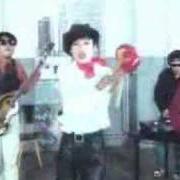 Pizzicato Five
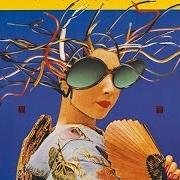 Yellow Magic Orchestra
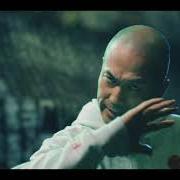 Tha Blue Herb
 Deen
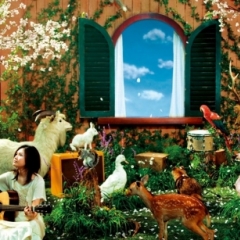 Yui
 The Pillows
 Koda Kumi