


(Perell/Mostazo)
(Nota: Lo que lee es lo que oigo. Entre 's estn las palabras
pronunciadas en andaluz)
(Note: What I hear is what you get. Between 's are the andalusian
pronounced words)
'N' te debo, 'n' me 'pas'
Si fui mala o buena 'olvalo' ya
'T' te lo ha 'pagao' mi carne morena
No maldigas, payo, que estamos en paz
No te quiero, no me quieras
Si 't' me lo diste yo 'n' te ped
No me eches en cara que 't' lo perdiste
Tambin a tu vera yo 't' lo perd
Bien 'pag', me llaman la Bien 'Pag'
porque mis besos cobr
y a ti me supe entregar
por un 'puao' de parn
Bien 'Pag', Bien 'Pag', bien 'pag' fuiste, mujer
No te engao, quiero a otro
No pienses por eso que 'farsa' te fui
No ca en sus brazos, le di slo un beso
El nico beso que yo no vend
Na te 'po', na me llevo
entre estas paredes 't' te lo dej
Joyas y 'vestos' que t me compraste
Mi nombre y mi 'va' que yo te entregu
Bien 'Pag', me llaman la Bien 'pag'
porque mis besos cobr
y a ti me supe entregar
por un 'puao' de parn
Bien 'Pag', Bien 'Pag', bien 'pag' fuiste, mujer
Bien 'Pag', Bien 'Pag', bien 'pag' fuiste, mujer
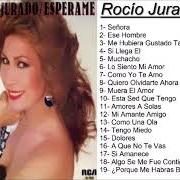
Rocío Jurado, born María del Rocío Mohedano Jurado (1946-2006), was one of the greatest icons of Spanish music and entertainment. Born in Chipiona, Andalusia, her musical career began in the 1960s with a repertoire ranging from flamenco to Latin pop. Known as "La Faraona" for her charisma and imposing stage presence, Rocío Jurado sold millions of records worldwide, becoming a popular figure not only in Spain but also in Latin America. Besides music, she successfully ventured into Spanish cinema and television, winning numerous awards and accolades for her performances. Some of her most famous songs include "Como el agua", "Se me enamora" and "A mi manera". Her musical legacy continues to inspire generations of artists in Spain and beyond.

 Efecto Mariposa
 Falcko
 Jorge González
 Rafa Pons
 D'Nash
 Ketama
 Obrint Pas
 Yung Beef
 Saurom Lamderth
 David Bisbal
 Najwa Nimri
 Kannon