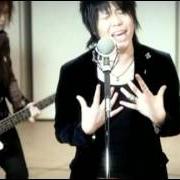




Mabayui bakari no ginmou sakadateru, itoshii kiba o motsu sonata no moto e yukan
Kobamu mono o kechirashite kobamu mono minna nagitaosu, kore zo kemono no ikiru michi to kataku kokoroe
Kita e hashiri, minami ni hashiru, nishi e hashiri, higashi e hashiru
Kagaribi o matoi, tsuki o se ni, koyoi mo sakebu, kuroki kage wa, takeki sugata e to kawaseru
Shippuu no gotoku, yama o koe, tani o mo koete, hayaru ashi wa, kanashii ketsumatsu o michibiki tamau
Jidai o matagitami wa, isamashiki, ka o matsurikeri, taiko narashi, enjin kumite tatae agame
Hoshi furishi sora ni, monogatari, mata todokase, nochi no yo e to, ima mo kono mune de nakigoe hibiku
Kagrra, are a Japanese visual kei musical group formed in 1998. The comma is an integral part of the name and was added when the band moved from an indie label to a major label in 2003 under Columbia Records. Their musical style is characterized by a fusion of gothic, metal and traditional Japanese rock elements, with lyrics often focusing on dark, spiritual and philosophical themes. Kagrra, achieved considerable success in Japan during the 2000s, releasing several albums and singles that contributed to defining the aesthetics and sound of visual kei. Among their most representative songs are "Kagerou", "Yume no Hana" and "Akai Tsuki". The band ceased activities in 2010, leaving a significant mark on the Japanese music scene.

 Mai Kuraki
 Dungeon
 The Indigo
 Mono
 Amoral
 Girugämesh
 Asian Kung-Fu Generation
 Brodie
 Sunset Swish
 Screw
 Cagnet
 Max Him