


Sou yo ne hoshigareba ii yokuba-tte ii koto mo aru
Datte ai wa nigeyasui ja nai
Mou ii nante itte wa ikenai akirameta you na me wa yamete
Tamashii ga sakenderu
Dareka ga ai wo waratte hayaranai to ittemo kamawanai te wo nobashitai
My heart umareta toki ni My love mune ni daite ita
My friend anata no tame ni Mi corazon bate' por ti'
My heart afuresou ni naru My love watashi wa wakaru
My friend mou modorenai Mi corazon bate' por ti'
Modoranai
Zutto issho ni ita futari aishiau you na unmei nante
Omoi mo shinakatta
Chigau sora o miagete chigau hito wo ai shite ita hi ga
Tsuman'nai yume no you ne
Anata no ikikata ya minareta egao ga itoshii-tte kizuita no
My heart netsu wo motte iku My love hirogatte iku
My friend tsutawatte iku Mi corazon bate' por ti'
My heart anata wa wakaru My love kanjitotte iru
My friend kakegae no nai Mi corazon bate' por ti'
Anata desho
My heart beats for you Mi corazon
My heart My love My friend
My heart beats for you
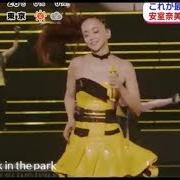
Namie Amuro is a Japanese singer, dancer, and actress considered an icon of pop music in Japan and Asia. Born in Okinawa in 1977, she debuted as a member of the idol group Super Monkey's at the age of 14. In 1995, she embarked on her solo career with the single "Don't wanna cry", which became an immediate success and established her as one of Japan's most popular artists. Amuro is known for her musical versatility, moving from pop dance to R and B, hip-hop and electronic music, always maintaining a modern and captivating image. Her influence on Japanese culture has been profound, compared to that of artists like Janet Jackson and Madonna. Among her most representative songs are "Can You Celebrate?", "Body Feels EXIT" and "Fighter". In 2018 she announced her retirement from the music scene after a career of over two decades, leaving an indelible legacy in the Japanese musical landscape.

 Ina
 Morrigan
 Puffy Amiyumi
 Uverworld
 Monoral
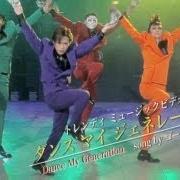 Golden Bomber
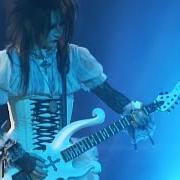 Moi Dix Mois
 Satomi
 Kahimi Karie
 Maaya Sakamoto
 Akb48
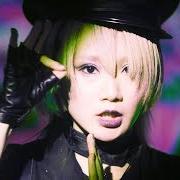 Reol