


AKASHIA no ame ni utarete naiteta
Harukaze no naka de tsuki ga noboru made
Sono egao wo shigusa wo itoshikute
Honki de omotta daite daite daite
Mitsume au toki wa takanami no you ni
Soba ni iru dakede jibun wo wasureta
Sono hageshi sa sono koe sono mune ga
Kiete shimatta
Daite daite daite
Tsumetai yoru wa kodomo no you ni
Furuete nemuru kiseki wo matte
Namida ga kareru sono mae ni hoshi wo miageru
Suteki na koto mo samishi sa mo kagayaki ni nite
Anata ga kureta sono omokage ni
Honki de sakenda daite daite daite
AKASHIA no ame ni utarete naiteta
Harukaze no naka de chiisaku kogoete
Sono egao wo shigusa wo sono subete wo
Honki de aishita daite daite daite
Sono hageshi sa sono koe sono mune ga
Kiete shimatta
Daite daite daite
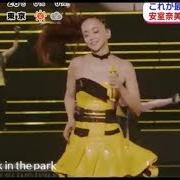
Namie Amuro is a Japanese singer, dancer, and actress considered an icon of pop music in Japan and Asia. Born in Okinawa in 1977, she debuted as a member of the idol group Super Monkey's at the age of 14. In 1995, she embarked on her solo career with the single "Don't wanna cry", which became an immediate success and established her as one of Japan's most popular artists. Amuro is known for her musical versatility, moving from pop dance to R and B, hip-hop and electronic music, always maintaining a modern and captivating image. Her influence on Japanese culture has been profound, compared to that of artists like Janet Jackson and Madonna. Among her most representative songs are "Can You Celebrate?", "Body Feels EXIT" and "Fighter". In 2018 she announced her retirement from the music scene after a career of over two decades, leaving an indelible legacy in the Japanese musical landscape.

 Chiaki Ishikawa
 Ina
 Mucc
 V6
 Shin
 Phantasmagoria
 Perfume
 Koharu Kusumi
 Teriyaki Boyz
 Golden Bomber
 Joe Rinoie
 Porno Graffitti