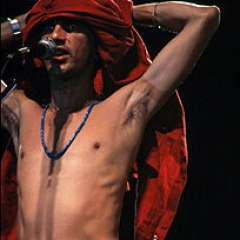




Ôôôôôôô ê boi! ê bus!
Onde será que isso começa
A correnteza sem paragem
O viajar de uma viagem
A outra viagem que não cessa
Cheguei ao nome da cidade
Não à cidade mesma, espessa
Rio que não é rio: imagens
Essa cidade me atravessa
Ôôôôôôô ê boi! ê bus!
Será que tudo me interessa?
Cada coisa é demais e tantas
Quais eram minhas esperanças?
O que é ameaça e o que é promessa?
Ruas voando sobre ruas
Letras demais, tudo mentindo
O Redentor, que horror! Que lindo!
Meninos maus, mulheres nuas
Ôôôôôôô ê boi! ê bus!
A gente chega sem chegar
Não há meada, é só o fio
Será que pra meu próprio rio
Este rio é mais mar que o mar?
Ôôôôôôô ê boi! ê bus!
Sertão, sertão! ê mar!
Caetano Emanuel Viana Telles Veloso (Salvador, April 7, 1942) is one of the most influential singer-songwriters in Brazil. Born into a bourgeois family, he developed a passion for music at a young age, embracing bossa nova and rock. In the 1960s, in Rio de Janeiro, he became part of the Tropicália movement, a cultural explosion that blended traditional Brazilian elements with international influences such as pop, psychedelic, and jazz. Caetano Veloso is known for his innovative melodies, poetic lyrics, and distinctive voice. A key figure in the Tropicália movement, he collaborated with artists like Gilberto Gil, Tom Zé, and Gal Costa. In 1968, following military censorship in Brazil, he was exiled to London. After returning home, he continued to produce highly successful music, exploring new genres such as world music and electronic. Among his most famous songs are "Alegria, Alegria", "Sozinho", "Sampa", and "O Leãozinho". Caetano Veloso is considered a Brazilian cultural icon, whose impact on the music and society of his country remains profound.

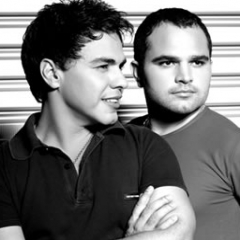 Zezé Di Camargo & Luciano
 Suellen Lima
 Daniela Mercury
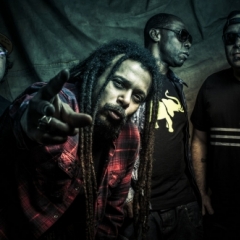 O Rappa
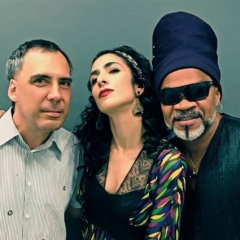 Tribalistas
 Biquini Cavadão
 Charlie Brown Jr.
 Zé Neto & Cristiano
 Anitta
 Céu
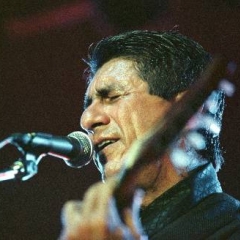 Fagner
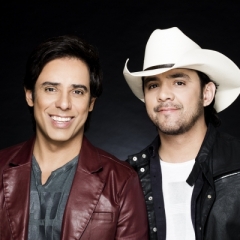 Guilherme E Santiago