



On pije, ne ljubi me
Zora svice, ne budi me
Noc pada, ne grli me
On ne voli me
Noc pada, ne grli me
On ne voli me
On spava, ne sanja me
Sneg veje, ne greje me
Ja placem, ne cuje me
On ne voli me
Ja placem, ne cuje me
On ne voli me
On ide, ne zali me
Ja volim, ne gleda me
Bol boli, ne leci me
On ne voli me
Bol boli, ne leci me
On ne voli me
On pije, ne ljubi me
Zora svice, ne budi me
Noc pada, ne grli me
On ne voli me
Noc pada, ne grli me
On ne voli me
On spava, ne sanja me
Sneg veje, ne greje me
Ja placem, ne cuje me
On ne voli me
Ja placem, ne cuje me
On ne voli me
Ja placem, ne cuje me
On ne voli me
Ja placem, ne cuje me
On ne voli me
On ide, ne zali me
Ja volim, ne gleda me
Bol boli, ne leci me
On ne voli me
Bol boli, ne leci me
On ne voli me
Lepa Brena, born Fahreta Jahic-Živkovic, is a Yugoslav and later Serbian singer of Bosnian origin, born in Sarajevo in 1960. Considered one of the most popular artists of the former Yugoslavia, she achieved success in the 1980s with a mix of pop folk and turbo-folk music, influenced by Balkan musical tradition. Her energetic style and frenetic performances have won over a vast and loyal audience throughout the former Yugoslav area. Among her most famous songs are "Jutro", "Hajde da se volimo", "Srecna sam" and "Tiho noci". Lepa Brena has collaborated with some of the most important musicians of the time, including Goran Bregovic and bands Bijelo Dugme and Balkanika. Her music has often been used in Yugoslav and Serbian films and television series, contributing to solidify her status as a cultural icon.

 Jala Brat
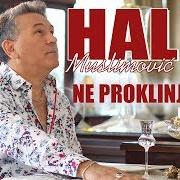 Halid Muslimovic
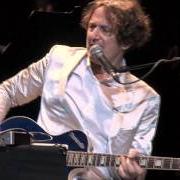 Goran Bregovic
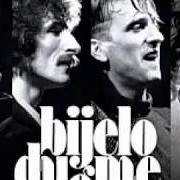 Bijelo Dugme