

One more heartache, baby,
I can't take it now.
My heart is carrying such a heavy load,
One more ache would break it.
Just like a camel,
With a heavy pack,
One last straw, they say,
Broke the camel's back.
Oh, wo, babe, I can't take it,
I can't stand it now.
One more heartache,
It would turn me right around.
First you build my hopes up high,
Then you let me down.
Like a house that's built of toothpicks,
Set up on a kitchen chair,
One last toothpick tore it down,
The foundation was not able
Oh, wo, baby, I can't take it,
I can't stand it now.
One more heartache,
One more heartache, babe
I can't take it now.
My heart is carrying such a heavy load,
One more ache would break it.
Just like a camel,
With a heavy pack,yeah,
One last straw, they say,
Broke the camel's back.
Oh, wo, babe, I can't take it,
I can't stand it now.
One more
Heartache babe
One more, now
Heartache baby
Without your love,
Without your love, baby,
I can't stand it no longer.
Come on
Won't you listen to my plea,
Please baby
Please baby
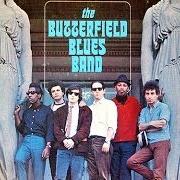
The Paul Butterfield Blues Band was an American blues band active from the 1960s to the 1970s. Founded in Chicago in 1963 by Paul Butterfield, a talented harmonica player and singer, the band quickly gained fame for its powerful and authentic sound, influenced by classic Delta blues and American folk music. Butterfield was known for his energetic performances and exceptional musical talent, while other key members of the band included Mike Bloomfield (guitar), Sam Lay (drums) and Elvin Bishop (guitar). The Paul Butterfield Blues Band helped define the evolution of blues rock in the 1960s, influencing generations of musicians. Among their most representative songs are "Born in Chicago", "East-West" and "The Promised Land". The album "The Paul Butterfield Blues Band" (1965) is considered a classic of the genre.
