




Ouma ga toki ni, nakigoe hitotsu
Odoroshiku mo aoki yurameku homura taita yagyou no mure wa
Oto o soroe izuko ka ikan ware mo oou zo
Iki o koroshi ayumi o shinobu, hisomu sugata kokkei naredo
Ki ni mo tomenu kouki no kokoro, mabuta shibaku koto o wasurete
Oto mo tatezu susumu ichidan, okuremai to aseri o niyasu
Isogi yuku mo sa wa chijimarazu, igyou nareba naseru waza nari, naseru waza nari
Sate wa ayashi no tagui no sube ka miru mo hanayagu utage ni odoru
Hito ni arazu mo morote o tsukai nome ya utae kotoba o kawasu
Izanau, shugyo ni, are yo are yo to so ni miirarete
Temaneku, akari ni, kizureba tomo ni katareri
Ayashi tomo ga sasayaku koto nya, koyoi wa ga ko totsugisakishi iwai
Minna de tanto iwa oja nai ka, saa sagui to hai ake nasare
Yoi wa tokuto gozou ni mawari, itsu no ma ni ka nemuri ni ochite
Atari miru mo ningyou arazu, igyou nareba aseru waza nari, aseru waza nari
Kagrra, are a Japanese visual kei musical group formed in 1998. The comma is an integral part of the name and was added when the band moved from an indie label to a major label in 2003 under Columbia Records. Their musical style is characterized by a fusion of gothic, metal and traditional Japanese rock elements, with lyrics often focusing on dark, spiritual and philosophical themes. Kagrra, achieved considerable success in Japan during the 2000s, releasing several albums and singles that contributed to defining the aesthetics and sound of visual kei. Among their most representative songs are "Kagerou", "Yume no Hana" and "Akai Tsuki". The band ceased activities in 2010, leaving a significant mark on the Japanese music scene.

 12012
 Dungeon
 Dizzy Mizz Lizzy
 Girugämesh
 See-Saw
 Hey! Say! Jump
 Ken Hirai
 Aikawa Nanase
 Joe
 Sug
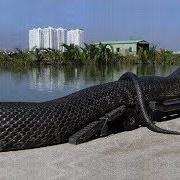 Serpent
 The Blue Hearts