







Play me a hurtin' tune
I wanna an old time hurtin' tune
Make me sigh, make me cry
Make me wanna lay down an' die!
Oh! Play me a hurtin' tune
A tear your heart out hurtin' tune
Of a true, sweetheart who
lost her lover an' feels so blue
I love those "How could you be so cruel,
treatin' me like a fool?" songs!
I love those "Now that I know we're thru,
what am I gonna do?" songs!
Please! Play me a hurtin' tune
I wanna an old time hurtin' tune
Make me sad an' I'll be glad
'Cause I feel so good when I feel so bad!
< instrumental break >
( We love to feel so sad, we love to feel so bad,
go on an' beat me, mistreat me, go ahead an' cheat me,
I like it, I like it, we like it! )
< instrumental break >
Ah! Make me sigh ( make me cry! )
Make me wanna lay down an' die!
< instrumental break >
A tear your heart out hurtin' tune
Of a true, sweetheart who
lost her lover an' feels so blue
I love those . . . ( "How could you be so cruel,
treat me like a fool?" songs! )
I love those . . . ( "Now that I know we're thru,
what am I gonna do?" songs! )
Please! Play me a hurtin' tune
I wanna an old time hurtin' tune
Make me sad an' I'll be glad
'Cause I feel so good when I feel so bad!
< violin solo >
Oh look it girls, he's playin' our song!
Play us a hurtin' tune
We wanna an old time hurtin' tune
Make us sad, we'll be glad
'Cause we feel so good when we feel so sad!
Music by Sydney Lippman
with lyrics by Sylvia Dee, 1952
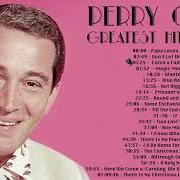
Perry Como, born Pierino Ronald Como (1912-2001), was an acclaimed American singer, entertainer, and actor. Born in Pennsylvania to Italian immigrant parents, Como began his musical career in the 1930s as a vocalist in New York clubs. His warm and melodious voice, coupled with his stage charisma, quickly made him popular. Throughout his long career, Perry Como sold over 90 million records, achieving numerous successes with songs like "Till the End of Time", "Catch a Falling Star" and "Magic Moments". He also acted in several films and television programs, becoming a true American idol. His influence on the musical landscape was significant, contributing to defining the pop sound of the 1950s and 1960s.

 Vic Chesnutt
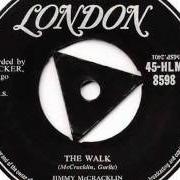 Jimmy Mccracklin
 Army Of Freshmen
 Gatti-Vision
 Katie Kadan
 Beulah
 Jukebox The Ghost
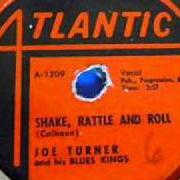 Big Joe Turner
 Yellow Second
 Tripping Daisy
 Emily Osment
 Digger