





Eien ni tsudzuku michi
Tooku hateshinaku
Atarashii kaze kanji nagara
Kyou mo aruite
Hikari sae miushinatte
Samayotta to shitemo
Aseranai de tatakaeru
Kimi dake no tameni
Arifurete kotoba ga ii
Kikasete hoshii
Say the word, and lead me there for you
Arinomama arukesou
Say the word, and it's my dreams come true
Kagirinaku dokomademo
Here together now,...and everlasting
Koko kara subete ga
Mirai he to oto tatezuni
Ugoki hajimeteru yo
Samishisa ya setsunasa mo
Subete dakishimeru
Say the word, and lead me there for you
Issho nara kitto
Say the word, and it's my dreams come true
Motome au dake de ii
Sure chigai kizutsuitemo
Futari dake no basho wa aru kara
Onaji hikari abitai
Say the word, and lead me there for you
Arinomama arukesou
Say the word, and it's my dreams come true
Kagirinaku dokomademo
Say the word, and lead me there for you
Issho nara kitto
Say the word, and it's my dreams come true
Motome au dake de ii
Say the word, and lead me there for you
The road aheads of us goes on
Say the word, and it's my dreams come true
I'm just waiting for you to say the word
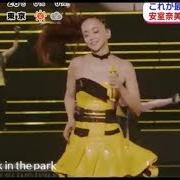
Namie Amuro is a Japanese singer, dancer, and actress considered an icon of pop music in Japan and Asia. Born in Okinawa in 1977, she debuted as a member of the idol group Super Monkey's at the age of 14. In 1995, she embarked on her solo career with the single "Don't wanna cry", which became an immediate success and established her as one of Japan's most popular artists. Amuro is known for her musical versatility, moving from pop dance to R and B, hip-hop and electronic music, always maintaining a modern and captivating image. Her influence on Japanese culture has been profound, compared to that of artists like Janet Jackson and Madonna. Among her most representative songs are "Can You Celebrate?", "Body Feels EXIT" and "Fighter". In 2018 she announced her retirement from the music scene after a career of over two decades, leaving an indelible legacy in the Japanese musical landscape.

 Noriko Sakai
 Hi-Standard
 Sug
 Nana Kitade
 Boris
 Tora
 12012
 Hyde
 Two-Mix
 Inuyasha
 The Brilliant Green
 C-Ute