



The secret service makes me nervous
When I am dating they are waiting to observe us
When I get ready to hold steady for the kiss you plan
The secret service makes me nervous and I cant!
Theyre always spying, no denying
Theyre always peeping, gumshoe creeping, private eying
When Im beginning to give-inning like a maiden aunt
The secret service makes me nervous and I cant!
Ive been exposed beyond control
Just like a goldfish in a bowl!
The presidents daughter must drink water
No drink of scotch she might do what she hadnt otter
When Im ignited, so excited that I start to pant
The secret service makes me nervous
When my lamps are lit
And I say this is it!
. . . the secret service makes me nervous
And I cant!
The secret service makes me nervous
Those white house dicks get all their kicks
When they observe us!
Just as I wind up, make my mind up, not to say I wont
The secret service makes me nervous and I dont!
When things look rosy they get nosy
Theyll say theres tootsie playing footsie very cosy
My pulse goes higher, Im on fire, shakin at the knees
The secret service makes me nervous and I freeze!
Whatever I may do or say
Will be reported the next day!
They dont see clearly when Im merely being courted
When Im just necking simply pecking with a cary grant
They stand behind me to remind me who and what I am
. . . when I dont give a ? x? x ( ooh ahh ahh! )
The secret service makes me nervous and I cant!
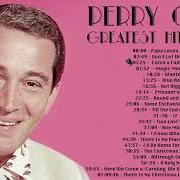
Perry Como, born Pierino Ronald Como (1912-2001), was an acclaimed American singer, entertainer, and actor. Born in Pennsylvania to Italian immigrant parents, Como began his musical career in the 1930s as a vocalist in New York clubs. His warm and melodious voice, coupled with his stage charisma, quickly made him popular. Throughout his long career, Perry Como sold over 90 million records, achieving numerous successes with songs like "Till the End of Time", "Catch a Falling Star" and "Magic Moments". He also acted in several films and television programs, becoming a true American idol. His influence on the musical landscape was significant, contributing to defining the pop sound of the 1950s and 1960s.

 Goo Goo Dolls
 Bette Midler
 Haley Reinhart
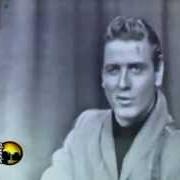 Eddie Cochran
 Megan Slankard
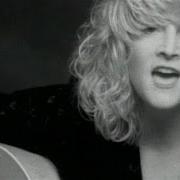 Kim Richey
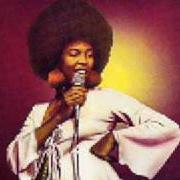 Betty Wright
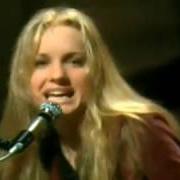 Chi Coltrane
 Team Sleep
 Naked Aggression
 Lindsey Haun
 Scarling.