






Ngayon ko lang aaminin
Alam mo ang pipindutin
Pati ang dapat hihimas-himasin
Para ngiti ko’y padungawin
CHORUS 1
Sige pa, sige pa
Tuwing kapiling ka
‘Di masukat ang saya
Sobrang saya (sige pa)
Grabe talaga
Sige pa, sige pa
Umaapaw ang saya
Sobrang saya
Nagayon ko lang sasabihin
Sa aking patikim-tikim
Ikaw lang ang ‘di kayang limutin
Kung bakit ay hindi lihim
[Repeat CHORUS 1]
CODA
Nalulunod sa ligaya
Kung may langit mismo na
Hanap ka bawat minuto
At kung ‘di madama
Walang kuwenta ang mabuhay pa
CHORUS 2
Sige pa, sige pa
Tuluy-tuloy mo na
Ang ngiti’y hanggang tenga
Sobrang saya (sige pa)
Grabe talaga
Sige pa, sige pa
Lampas langit ang saya
[Repeat CHORUS 1]
Sige pa, sige pa
Sobrang saya
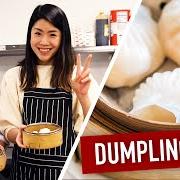
Dim sum is a large range of small Chinese dishes that are traditionally enjoyed in restaurants for brunch. Most modern dim sum dishes are commonly associated with Cantonese cuisine, although dim sum dishes also exist in a few other Chinese cuisines. In the tenth century, when the city of Canton (Guangzhou) began to experience an increase in commercial travel, many frequented teahouses for small-portion meals with tea called "yum cha" (brunch). "Yum cha" includes two related concepts. The first is "jat zung loeng gin", which translates literally as "one cup, two pieces". This refers to the custom of serving teahouse customers two delicately made food items, savory or sweet, to complement their tea. The second is dim sum, which translates literally to "touch the heart", the term used to designate the small food items that accompanied the tea.
