


kono sora o futo mireba, hokorishi sakura wa, harari hara hara to, maru de tamamushi no
hanabi ni yadorite, futatabi kaerazu, mata chirikeri
utsurishi ka no iro, itazura ni asete, wagami wa hakari yuku, omoi wa hakari yuku
honogurai tsuki no yo ni, akari tomoshitaru, hotaru sahe ima wa, rinkou ushinau
inaho no atama wa, minna kari erarete, shizuka ni yure
shimo fukeba tsuranatte, hibiku kowairo wa, hata to me o fusete, nemuri ni ochiru
soyogu harukaze, mukae ni shi kisetsu o machi nozonde
utsurishi ka no iro, itazura ni asete, wagami wa hakari yuku, omoi wa hakari yuku
saite wa, midarete, michite wa korobu
utsurishi ka no iro, itazura ni asete, wagami wa hakari yuku, omoi wa hakari yuku
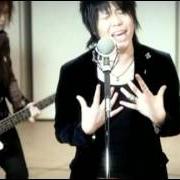
Kagrra, are a Japanese visual kei musical group formed in 1998. The comma is an integral part of the name and was added when the band moved from an indie label to a major label in 2003 under Columbia Records. Their musical style is characterized by a fusion of gothic, metal and traditional Japanese rock elements, with lyrics often focusing on dark, spiritual and philosophical themes. Kagrra, achieved considerable success in Japan during the 2000s, releasing several albums and singles that contributed to defining the aesthetics and sound of visual kei. Among their most representative songs are "Kagerou", "Yume no Hana" and "Akai Tsuki". The band ceased activities in 2010, leaving a significant mark on the Japanese music scene.

 Versailles
 Seagull Screaming Kiss Her Kiss Her
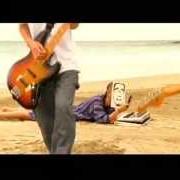 Beat Crusaders
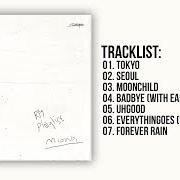 Mono
 Bump Of Chicken
 Kyary Pamyu Pamyu
 Boredoms
 Balzac
 Kumi Koda
 Dungeon
 Church Of Misery
 Yoko Ono