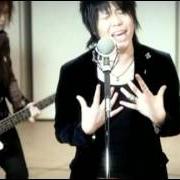




hitori tachi tomari sora wo miage toikakeru
kono sekai ni okeru sonzai no riyuu to sono imi wo
dare shi mo ga kakaeta tanjou mo shuuen mo mata kanashimi wo uttaeru
saite kaori karete horobiru umare shi ni yuku ikutabi mo
kuchite gaeri soshite me wo fuku hito wa doko e mukau no darou?
katachi wo nasu mono wa kowareru kara koso utsukushii
kakan nai yume hodo kagayaki wo hanatsu chiri to moeru
ten to chi no hazama de yureugoku shikou no uzu ni ketsumatsu wa aru no ka
saite kaori karete horobiru umare shi ni yuku ikutabi mo
kuchite gaeri soshite me wo fuku hito wa doko e mukau no darou?
inochi no imi wo dore hodo motomete mo sukui no kami wa hohoemi wo ukaberu dake
saite kaori karete horobiru umare shi ni yuku ikutabi mo
kuchite gaeri soshite me wo fuku hito wa doko e mukau no darou?
Kagrra, are a Japanese visual kei musical group formed in 1998. The comma is an integral part of the name and was added when the band moved from an indie label to a major label in 2003 under Columbia Records. Their musical style is characterized by a fusion of gothic, metal and traditional Japanese rock elements, with lyrics often focusing on dark, spiritual and philosophical themes. Kagrra, achieved considerable success in Japan during the 2000s, releasing several albums and singles that contributed to defining the aesthetics and sound of visual kei. Among their most representative songs are "Kagerou", "Yume no Hana" and "Akai Tsuki". The band ceased activities in 2010, leaving a significant mark on the Japanese music scene.

 Joe Rinoie
 Yuki
 Koda Kumi
 Pizzicato Five
 Scandal
 Yoko Ishida
 Tora
 X Japan
 Greeeen
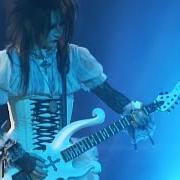 Moi Dix Mois
 Dj Krush
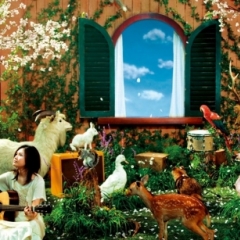 Yui