



Me levanto, bostezo, vivo, almuerzo,
me lavo, silbo , invento, disimulo,
salgo a la calle, fumo, estoy contento,
busco piso, hago gárgaras, calculo,
me emborracho, trasnocho, llego tarde,
duermo de lado, hablo conmigo, lloro,
leo un libro, envejezco, voy al baile,
sudo tinta, suspiro, me enamoro,
llueve, me abrazan, no doy pie con bola,
anochece, me compro una camisa,
este verso no pega ni con cola,
de consejos me rasco, tengo prisa.
Tengo granos, discuto, me equivoco,
busco a tientas, no encuentro, me fatigo,
me olvido de quien soy, me vuelvo loco,
hace frío, amanece, sumo y sigo,
escupo, voy al cine, me cabreo,
escribo, me suicido, resucito,
afirmo, niego, grito, dudo, creo,
odio, amo, acaricio, necesito,
te recuerdo, te busco, te maldigo,
digo tu nombre a voces, no te veo,
te amo, ya no se lo que me digote deseo, te deseo, te deseo,
te deseo.
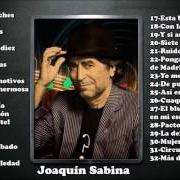
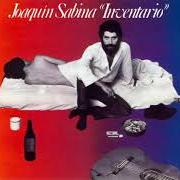
Joaquín Sabina (born Joaquín Ramón Martínez Sabina on July 15, 1949 in Úbeda, Spain) is one of the most influential and beloved singer-songwriters in Latin music. Known for his incisive poetry, catchy melodies, and raspy voice, Sabina has captivated a vast audience throughout Latin America and the Spanish-speaking world. His musical journey began in the 1960s with experiences in rock bands and Spanish singer-songwriters. In 1975, he released his debut album, "Inventario", which introduced him to the Spanish public. Over the following years, Sabina solidified his fame with albums such as "Malas compañías" (1982), "19 días y 500 noches" (1984) and "El viaje" (1989). His songs often address social, political, and personal themes, always with a touch of irony and sarcasm. Sabina is known for his collaborations with other artists such as Joan Manuel Serrat, Fito Páez, and Miguel Ríos. Some of his most famous songs include "Y nos dieron las diez", "La Mandrágora", "Contigo" and "Pajarita de papel". Besides music, Sabina is also a talented poet with several collections of verses published.

 Kaos Urbano
 María Aguado
 Moncho
 Melendi
 Beatriz Luengo
 El Barrio
 Ugly Americans
 Sr Chinarro
 31 Minutos
 Héroes del Silencio
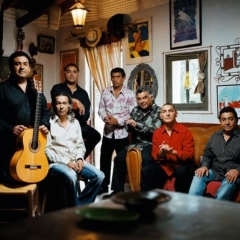 Gipsy Kings
 Rayito