



Quizá no venga al caso, pero es irresistible,
vamos a hacer un cantar.
El primer paso es, sin duda imprescindible,
tener algo que contar.
Cómo apetece sentarse en el corrillo.
¿qué se te ofrece?, ...te van a preguntar.
A veces cuesta llegar al estribillo.
Parece que camina, tenemos argumento
¿dónde queremos llegar?,
podemos transmitir placer o sufrimiento,
podemos ...ni fu, ni fa...
llegados a este punto dos vueltas de tornillo
y ya estamos al final.
Ha sido fácil gozar como un chiquillo
de un modo tan natural.
Cómo apetece sentarse en el corrillo.
¿qué se te ofrece?, ...te van a preguntar.
A veces cuesta llegar al estribillo
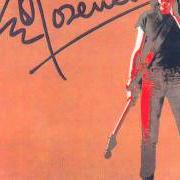
Rosendo is a Spanish singer-songwriter and guitarist, considered one of the pillars of Latin rock in the 1980s. Born in Madrid in 1956, he began his musical career in the early 1970s with several local bands. In 1980, he formed the group Rosendo and Los Muertos, which achieved great success in Spain with albums such as "Endemico Embustero" (1982) and "Canciones Para Normales y Mero Dementes" (1984). His musical style is characterized by a strong rock component, influenced by punk and blues, but also by elements of flamenco and traditional Spanish music. Rosendo is known for his energetic performances and provocative lyrics that address social and political issues. After the end of the group in 1987, he continued to release solo albums, such as "Directo" (1988) and "Lo Mejor de La Edad de Oro Del" (2003). Among his most famous songs are "El Último Baile", "La Vida es un Sueño" and "No Me Digas Que No".

 Manu Tenorio
 Blas Cantó
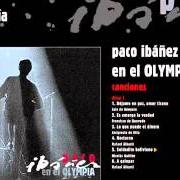 Paco Ibáñez
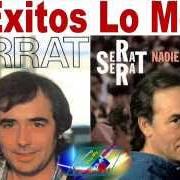 Joan Manuel Serrat
 Adrián Rodríguez
 El Chivi
 Encarnita Polo
 Loquillo
 Gio
 Funambulista
 31 Minutos
 Kaos Urbano