


Bahia, minha preta
Como será
Se tua seta acerta o caminho e chega lá?
E a curva linha reta
Se ultrapassar esse negro azul que te mura
O mar, o mar?
Cozinha esse cântico
Comprar o equipamento e saber usar
Vender o talento e saber cobrar, lucrar
Insiste no que é lindo
E o mundo verá
Tu voltares rindo ao lugar que é teu no globo azul
Rainha do Atlântico Sul
ê ô! Bahia, fonte mítica, encantada
ê ô! Expande o teu axé, não esconde nada
Teu canto de alegria ecoa longe, tempo e espaço
Rainha do Atlântico
Te chamo de senhora
Opô Afonjá
Eros, Dona Lina, Agostinho e Edgar
Te chamo Menininha do Gantois
Candolina, Marta, Didi, Dodô e Osmar
Na linha romântico
Teu novo mundo
O mundo conhecerá
E o que está escondido no fundo emergirá
E a voz mediterrânica e florestal
Lança muito além a civilização ora em tom boreal
Rainha do Atlântico Austral
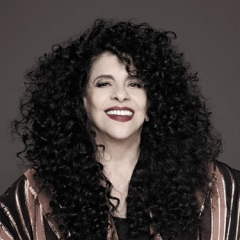
Gal Costa (Maria da Graça Costa Penna Burgos) was one of Brazil's most iconic voices, a multifaceted artist who gracefully and originally traversed different musical eras. Born in Salvador de Bahia in 1945, Gal Costa began her career in the 1960s as part of the bossa nova movement, collaborating with artists like Caetano Veloso and Gilberto Gil. Her vocal style, characterized by great expressiveness and a wide range, allowed her to explore diverse genres, from samba to rock, passing through pop and electronic music. Among her most celebrated songs are "Aquarela do Brasil", "Baby", "Divino Maravilhoso" and "Meu Nome É Gal". Gal Costa was a key figure in Brazilian culture, a symbol of freedom and artistic independence. Her music has spanned generations, leaving an indelible mark on the national and international music scene.

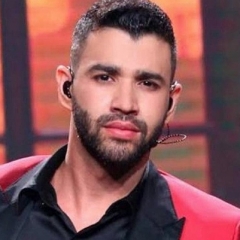 Gusttavo Lima
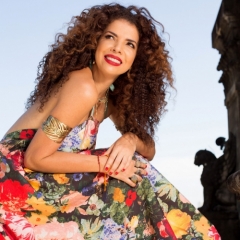 Vanessa Da Mata
 Laguna
 Mystifier
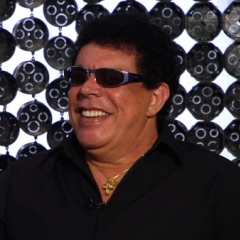 Wando
 Bruno Barretto
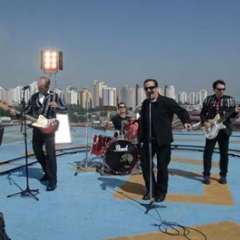 Ira!
 Roberta Campos
 Tribuzy
 Dragonheart
 George Henrique & Rodrigo
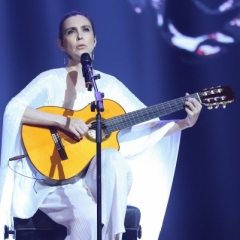 Adriana Calcanhotto