




A flor que vem me lembrar
A flor que é quase igual
A flor que muito pensa
A flor que fecha ao sol
Parece a mesma flor
Só muda o coração
Quando se unem são
A flor que inspirou a canção
Bela flor, pouco disse
Gêmea flor, que cresceu no Rio
Bela flor, pouco disse
Gêmea flor, que cresceu no Rio
Que dance a linda flor, girando por aí
Sonhando com amor, sem dor, amor de flor
Querendo a flor que é, no sonho a flor que vem
Ser duplamente flor, encanta, colore e faz bem
Bela flor, pouco disse
Gêmea flor, que cresceu no Rio
Bela flor, pouco disse
Gêmea flor, que cresceu no Rio
Oh, flor, se tu canta essa canção
Todo o meu medo se vai pro vão
Pra longe, longe que eu não quero ir
Mas deixe seu rastro pólen, flor
Pra eu poder te seguir
Bela flor, pouco disse
Gêmea flor, que cresceu no Rio
Bela flor, pouco disse
Gêmea flor, que cresceu no Rio
Caetano Emanuel Viana Telles Veloso (Salvador, April 7, 1942) is one of the most influential singer-songwriters in Brazil. Born into a bourgeois family, he developed a passion for music at a young age, embracing bossa nova and rock. In the 1960s, in Rio de Janeiro, he became part of the Tropicália movement, a cultural explosion that blended traditional Brazilian elements with international influences such as pop, psychedelic, and jazz. Caetano Veloso is known for his innovative melodies, poetic lyrics, and distinctive voice. A key figure in the Tropicália movement, he collaborated with artists like Gilberto Gil, Tom Zé, and Gal Costa. In 1968, following military censorship in Brazil, he was exiled to London. After returning home, he continued to produce highly successful music, exploring new genres such as world music and electronic. Among his most famous songs are "Alegria, Alegria", "Sozinho", "Sampa", and "O Leãozinho". Caetano Veloso is considered a Brazilian cultural icon, whose impact on the music and society of his country remains profound.

 Raimundos
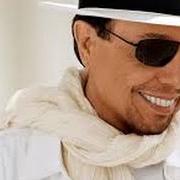 Sergio Mendes
 Arlindo Cruz
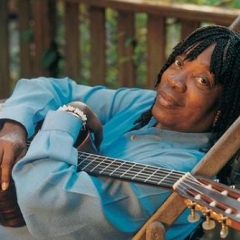 Milton Nascimento
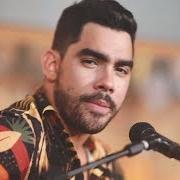 Gabriel Diniz
 Dj Isaac
 Gian & Giovani
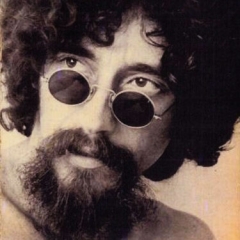 Raul Seixas
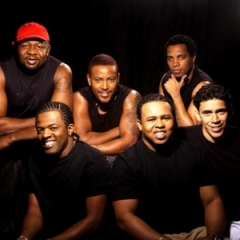 Grupo Revelação
 Aviões Do Forró
 Kell Smith
 Silva