






He poblado tu vientre de amor y sementera,
he prolongado el eco de sangre a que respondo
y espero sobre el surco como el arado espera:
he llegado hasta el fondo.
Espejo de mi carne, sustento de mis alas,
te doy vida en la muerte que me dan y no tomo.
Mujer, mujer, te quiero cercado por las balas,
ansiado por el plomo.
.
Escríbeme a la lucha siénteme en la trinchera:
aquí con el fusil tu nombre evoco y fijo.
y defiendo tu vientre de pobre que me espera,
y defiendo tu hijo.
Es preciso matar para seguir viviendo.
Un día iré a la sombra de tu pelo lejano.
Y dormiré en la sábana de almidón y de estruendo
cosida por tu mano.
Para el hijo será la paz que estoy forjando.
Y al fin en un océano de irremediables huesos
tu corazón y el mío naufragarán, quedando
una mujer y un hombre gastados por los besos.
He poblado tu vientre de amor y sementera
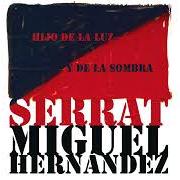
Joan Manuel Serrat i Teresa (Barcelona, 1943) is one of the most beloved and influential Spanish singer-songwriters of all time. His career, which began in the 1960s, is characterized by a deep poetic sensibility, the skillful use of the Catalan language, and a repertoire that ranges from folk to songwriting, passing through jazz and popular music. Serrat is known for his intense and emotional interpretations, often accompanied by an acoustic guitar. Among his most famous songs are "Testament", "La Mala Vida", "Mediterráneo" and "El Cantante", the latter becoming an anthem for freedom of expression. Serrat has collaborated with numerous international artists, including Pablo Milanés and Víctor Jara. Throughout his long career he has won numerous awards, including the Premio Nacional de Música (1986) and the Grammy Award for Lifetime Achievement (2007). His music has been a source of inspiration for generations of musicians and continues to be appreciated worldwide.

 Alex Darwin
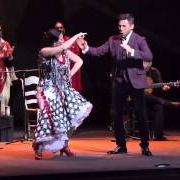 Miguel Poveda
 Sergio Contreras
 El Barrio
 Enrique Bunbury
 Nena Daconte
 La Húngara
 Vhäldemar
 Efecto Mariposa
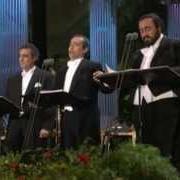 Plácido Domingo
 La Frontera
 Adrián Rodríguez