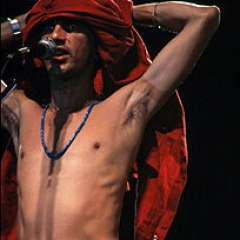





Coqueiro de Itapoã, coqueiro
Areia de Itapoã, areia
Morena de Itapoã, morena
Saudade de Itapoã, me deixa
Oh vento que faz cantiga nas folhas
No alto do coqueiral
Oh vento que ondula as águas
Eu nunca tive saudade igual
Me traga boas notícias
Daquela terra toda manhã
E joga uma flor no colo
De uma morena de Itapoã
Coqueiro de Itapoã, coqueiro
Areia de Itapoã, areia
Morena de Itapoã, morena
Saudade de Itapoã, me deixa
Me deixa, me deixa
Caetano Emanuel Viana Telles Veloso (Salvador, April 7, 1942) is one of the most influential singer-songwriters in Brazil. Born into a bourgeois family, he developed a passion for music at a young age, embracing bossa nova and rock. In the 1960s, in Rio de Janeiro, he became part of the Tropicália movement, a cultural explosion that blended traditional Brazilian elements with international influences such as pop, psychedelic, and jazz. Caetano Veloso is known for his innovative melodies, poetic lyrics, and distinctive voice. A key figure in the Tropicália movement, he collaborated with artists like Gilberto Gil, Tom Zé, and Gal Costa. In 1968, following military censorship in Brazil, he was exiled to London. After returning home, he continued to produce highly successful music, exploring new genres such as world music and electronic. Among his most famous songs are "Alegria, Alegria", "Sozinho", "Sampa", and "O Leãozinho". Caetano Veloso is considered a Brazilian cultural icon, whose impact on the music and society of his country remains profound.

 Dubrazil
 Roupa Nova
 Skank
 Thalles Roberto
 Henrique & Diego
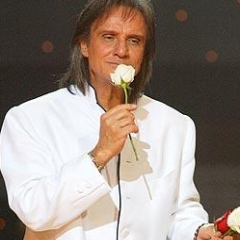 Roberto Carlos
 Patrizia Laquidara
 Novos Baianos
 Cecilia Dale
 Exaltasamba
 Ivan Lins
 Maria Gadù