







Yo no tena ganas de rer,
t reas para no llorar;
yo le guiaba un ojo a mi nariz,
t consolabas a tu soledad.
Yo sin ninguna escoba que vender,
t con mil y una noches que olvidar;
a m no me quera una mujer,
a ti se te mora una ciudad.
T habas perdido el ltimo autobs,
a m me haban echado de otro bar;
los mismos alfileres de vud,
el mismo cuento que termina mal.
Pero quiso el cielo
bautizar el suelo
con su gota a gota
y con champ de arena
para tu melena
de mueca rota
y tu mirada azul
me dijo a cara o cruz
y mi alma de tahr
lo puso a doble o nada.
Y los peces de colores de mis botas
y tus marchitos zapatitos de tacn
locos por naufragar
salieron a bailar
al ritmo de la lluvia sobre las capotas
el rocanrol de los idiotas.
Yo no vena de ningn pas,
t ibas camino de cualquier lugar;
conmigo no contaba el porvenir,
de ti no se acordaba el verbo
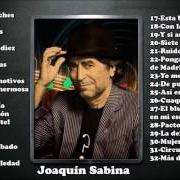
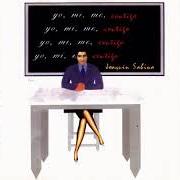
Joaquín Sabina (born Joaquín Ramón Martínez Sabina on July 15, 1949 in Úbeda, Spain) is one of the most influential and beloved singer-songwriters in Latin music. Known for his incisive poetry, catchy melodies, and raspy voice, Sabina has captivated a vast audience throughout Latin America and the Spanish-speaking world. His musical journey began in the 1960s with experiences in rock bands and Spanish singer-songwriters. In 1975, he released his debut album, "Inventario", which introduced him to the Spanish public. Over the following years, Sabina solidified his fame with albums such as "Malas compañías" (1982), "19 días y 500 noches" (1984) and "El viaje" (1989). His songs often address social, political, and personal themes, always with a touch of irony and sarcasm. Sabina is known for his collaborations with other artists such as Joan Manuel Serrat, Fito Páez, and Miguel Ríos. Some of his most famous songs include "Y nos dieron las diez", "La Mandrágora", "Contigo" and "Pajarita de papel". Besides music, Sabina is also a talented poet with several collections of verses published.

 Leblond
 Barón Rojo
 Pasión Vega
 Dover
 D'Nash
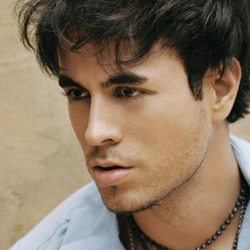 Enrique Iglesias
 Ambkor
 Luis Eduardo Aute
 Warcry
 La Factoria
 Sofia Ellar
 Recycled J