







Gastibelza, l'homme à la carabine,
. . Chantait ainsi:
"Quelqu'un a-t-il connu doña Sabine ?
. . Quelqu'un d'ici ?
Chantez, dansez, villageois ! la nuit gagne
. . Le mont Falu...
Le vent qui vient à travers la montagne
. . Me rendra fou."
"Quelqu'un de vous a-t-il connu Sabine,
. . Ma señora ?
Sa mère était la vieille maugrabine
. . D'Antequera,
Qui chaque nuit criait dans la tour Magne
. . Comme un hibou...
Le vent qui vient à travers la montagne
. . Me rendra fou."
"Vraiment, la reine eût près d'elle été laide
. . Quand, vers le soir,
Elle passait sur le pont de Tolède
. . En corset noir.
Un chapelet du temps de Charlemagne
. . Ornait son cou...
Le vent qui vient à travers la montagne
. . Me rendra fou."
Le roi disait, en la voyant si belle,
. . A son neveu:
"Pour un baiser, pour un sourire d'elle,
. . Pour un cheveu,
Infant don Ruy, je donnerai l'Espagne
. . Et le Pérou !
Le vent qui vient à travers la montagne
. . Me rendra fou."
"Je ne sais pas si j'aimais cette dame,
. . Mais je sais bien
Que, pour avoir un regard de son âme,
Moi, pauvre chien,
J'aurai gaîment passé dix ans au bagne
. . Sous les verrous...
Le vent qui vient à travers la montagne
. . Me rendra fou."
"Quand je voyais cette enfant, moi le pâtre
. . De ce canton,
Je croyais voir la belle Cléopâtre,
. . Qui, nous dit-on,
Menait César, empereur d'Allemagne,
. . Par le licou...
Le vent qui vient à travers la montagne
. . Me rendra fou."
"Dansez, chantez, villageois, la nuit tombe
. . Sabine, un jour,
A tout vendu, sa beauté de colombe,
. . Tout son amour,
Pour l'anneau d'or du comte de Saldagne,
. . Pour un bijou...
Le vent qui vient à travers la montagne
. . M'a rendu fou."
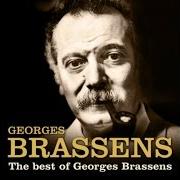
Georges Brassens (1921-1981) was a French singer-songwriter of international fame, considered one of the greatest poets and musicians of the 20th century. Born in Vaucluse, France, Brassens began his musical career in the 1950s, captivating audiences with his ironic, melancholic, and deeply human songs. His works, often characterized by simple yet effective language, addressed social, political, and personal themes with a unique sensitivity. Brassens distinguished himself for his deep and raspy voice, accompanied by a keen ability to interpret. Among his most famous songs are "Le Mistral", "La Nonne", "Brave Margot" and "Je chante le blues". His music has influenced generations of artists and continues to be appreciated worldwide for its authenticity, depth, and beauty.

 Svinkels
 Triplego
 Dany Brillant
 Deep Forest
 Manu Larrouy
 Il Était Une Fois
 Djadja & Dinaz
 Dabs
 La Caution
 Bruno Coulais
 Alan Stivell
 Christine And The Queens