




There may be trouble ahead
So while there's music and moonlight and love and romance
Let's face the music and dance
Before the fiddlers have fled
Before they ask us to pay the bill and while we still have the chance
Let's face the music and dance
Soon we'll be without the moon, humming a different tune and then
There may be teardrops to shed
So while there's moonlight and music and love and romance
Let's face the music and dance? dance
Let's face the music and dance?
Soon we'll be without the moon, humming a different tune and then
There may be teardrops to shed
So while there's moonlight and music and love and romance
Let's face the music and dance? dance
Let's face the music and dance?
Caetano Emanuel Viana Telles Veloso (Salvador, April 7, 1942) is one of the most influential singer-songwriters in Brazil. Born into a bourgeois family, he developed a passion for music at a young age, embracing bossa nova and rock. In the 1960s, in Rio de Janeiro, he became part of the Tropicália movement, a cultural explosion that blended traditional Brazilian elements with international influences such as pop, psychedelic, and jazz. Caetano Veloso is known for his innovative melodies, poetic lyrics, and distinctive voice. A key figure in the Tropicália movement, he collaborated with artists like Gilberto Gil, Tom Zé, and Gal Costa. In 1968, following military censorship in Brazil, he was exiled to London. After returning home, he continued to produce highly successful music, exploring new genres such as world music and electronic. Among his most famous songs are "Alegria, Alegria", "Sozinho", "Sampa", and "O Leãozinho". Caetano Veloso is considered a Brazilian cultural icon, whose impact on the music and society of his country remains profound.

 Audio
 Cecilia Dale
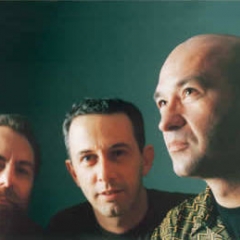 Os Paralamas Do Sucesso
 Os Cariocas
 Zizi Possi
 Vanessa Da Mata
 Gian & Giovani
 Eyshila
 Cachorro Grande
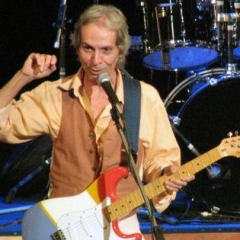 Beto Guedes
 Andralls
 Leandro & Leonardo