





Dixa'm morrê ta sonhá
Na sombra di odjo magoado
Duma pequena gentil
Di corpo perfumado
Dixa'm morrê ta sonhá
Na sombra di odjo magoado
Duma pequena gentil
Di corpo perfumado
Assim dixa'm môrré ô flor
Na sombra di bô odjinho
Dixa'm morré ta sonhá
Assim cuma pomba na sê ninho
Assim dixa'm môrré ô flor
Na sombra di bô odjinho
Dixa'm morré ta sonhá
Assim cuma pomba na sê ninho
Si pomba é feliz na sê ninho
A mim também mi é feliz
Na sombra di odjo ma carinho
Di Miss Perfumado
Si pomba é feliz na sê ninho
A mim também mi é feliz
Na sombra di odjo ma carinho
Di Miss Perfumado
Assim dixa'm môrré ô flor
Na sombra di bô odjinho
Dixa'm morré ta sonhá
Assim cuma pomba na sê ninho
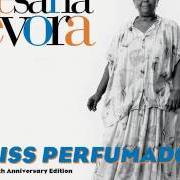
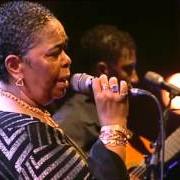
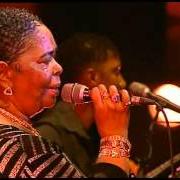
Cesária Évora (Praia, Cape Verde, August 27, 1941 – Praia, Cape Verde, December 17, 2011) was a Cape Verdean singer, known as the “barefoot diva” for performing without shoes. She is considered one of the most internationally renowned practitioners of "morna", a traditional Cape Verdean musical genre characterized by melancholic melodies and lyrics often dealing with themes of love, nostalgia, and longing. Évora began her career in the 1980s, singing in Praia nightclubs. Her breakthrough came in 1989 with the album "Cesaria Evora", followed by other successes such as "Tchi Tchi" (1992) and "Sodade" (1995). Her unique musical style, her warm voice, and her emotionally charged performances captivated international audiences. Évora collaborated with world-renowned artists like Jorge Ben Jor and Paul Simon. Her music has been featured in films and television programs, contributing to the spread of Cape Verdean culture worldwide. Some of her most representative songs are "Sodade", "Tchi Tchi" and "Nostalgia".
