





Te dejan sus herencias,
te marcan un sendero,
te dicen lo que es malo
y lo que es bueno, pero...
Ni los vientos son cuatro,
ni siete los colores,
y los zarzales crecen
junto con las flores
y el sol sólo es el sol si brilla en ti.
La lluvia sólo lluvia si te moja al caer.
Cada niño es el tuyo,
cada hembra, tu mujer.
Vivir para vivir.
Sólo vale la pena vivir para vivir.
Para vivir.
Sólo vale la pena vivir para vivir.
Y hacer tuyo el camino,
que tuyas son las botas.
Que una sonrisa pueda
dar a luz tu boca.
Abrázate a los vientos
y cabalga los montes.
que no acabe el paisaje
con el horizonte.
Que el sol sólo es el sol si brilla en ti.
La lluvia sólo la lluvia si te moja al caer.
Cada niño es el tuyo.
Cada hembra, tu mujer.
Vivir para vivir.
Sólo vale la pena vivir para vivir.
Para vivir.
Sólo vale la pena vivir para vivir.
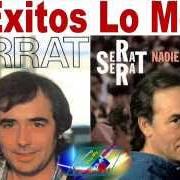
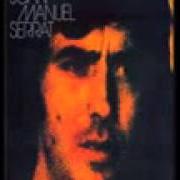
Joan Manuel Serrat i Teresa (Barcelona, 1943) is one of the most beloved and influential Spanish singer-songwriters of all time. His career, which began in the 1960s, is characterized by a deep poetic sensibility, the skillful use of the Catalan language, and a repertoire that ranges from folk to songwriting, passing through jazz and popular music. Serrat is known for his intense and emotional interpretations, often accompanied by an acoustic guitar. Among his most famous songs are "Testament", "La Mala Vida", "Mediterráneo" and "El Cantante", the latter becoming an anthem for freedom of expression. Serrat has collaborated with numerous international artists, including Pablo Milanés and Víctor Jara. Throughout his long career he has won numerous awards, including the Premio Nacional de Música (1986) and the Grammy Award for Lifetime Achievement (2007). His music has been a source of inspiration for generations of musicians and continues to be appreciated worldwide.

 Moncho
 El Koala
 Caifanes
 Carmen Paris
 Ainhoa
 Barricada
 A Palo Seko
 Encarnita Polo
 Radio Tarifa
 Forever Slave
 Maga
 Lydia