

Tu que iluminas mi fe
por donde quiera que voy,
tu eres mi reina y señora
y por ti rezando voy y por ti
Blanca Paloma, Blanca Paloma
Que fatiguita la mia,
me han randao la talega
hasta arriba de comia.
Llevo dentro mi sangre
un potro de rabia y miel,
se desboca como un loco,
no puedo hacerme con el.
Tu querer y mi querer
es como el agua de un rio
donde no puedo beber.
Quisiera sentir el calor
de tu lindo amor,
de tu amor sincero,
y estarme hasta el amanecer
y ensoñar los dos
en un mismo cielo.
Yo tengo una chabola
que esta a la vera de un rio,
donde tengo a mi gitana
y a mi mujer y a mis niños,
y a mis niños de mi alma.
Que calle oscura,
que oscuridad de calle,
ay que niña mas bonita
no me la diera su mare
con ella, prima m'iba a casar.
Y al tiempo, al tiempecito,
yo escuche una voz:
¡Por el amor de Dios!
Prima, pa que yo te quiera,
tengo que ver dos señales,
una se hundan los cielos
y otra se sequen los mares.
Quiero borrarme esta pena
que llevo en mi corazon,
se lo pido a Dios
que viva con ilusion.
Quisiera sentir el calor
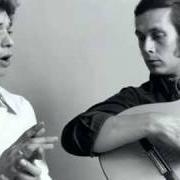
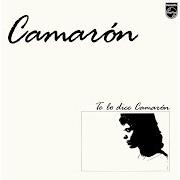
José Monge Cruz, known professionally as Camarón de la Isla (San Fernando, December 5, 1950 – Badalona, July 2, 1992), is widely considered the greatest flamenco singer of all time. Born sixth in a large family, he received the nickname «Camarón» (shrimp) from his uncle due to his thinness, red hair, and pale skin. Later, he added «de la Isla» (of the island), referring to his hometown of San Fernando, located on Isla de León. From a young age, Camarón was immersed in the world of flamenco thanks to his father, a passionate singer. He listened to artists like Manolo Caracol and Antonio Mairena at the Monge family home, frequented by the greatest Andalusian singers of the time. At just seven years old, he began singing in taverns and at the train station to help his family after his father's death. In 1958, he debuted in the afternoon shows at Venta de Vargas, where he was noticed by other great singers. In 1962, at twelve years old, he won first prize at the Flamenco Contest of the Montilla Festival (Cordoba). He began collaborating with Dolores Vargas and La Singla, embarking on tours of Europe and America. In 1966, he won first prize at the Cante Jondo Festival in Mairena del Alcor and moved to Madrid with Miguel de los Santos. Camarón revolutionized flamenco by introducing jazz and rock elements, collaborating with musicians like Tomatito, Paco de Lucía, Vicente Amigo, Fernando Ricas, Kiko Arguello, and Paco Cepero. Some of his most representative songs are: «La Leyenda del Tiempo», «Entre Dos Aguas», «Soleá por Bulerías» and «El Amante».
