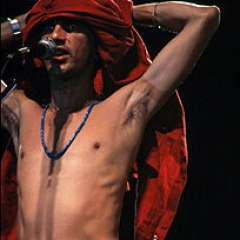





Pra que mentir
Se tu ainda não tens
Esse dom de saber
De iludir
Pra quê ,
Pra que mentir
Se não há necessidade de me trair
Pra que mentir
Se tu ainda não tens
A malícia de toda mulher
Pra que mentir
Se eu sei que gostas de outro
Que te diz
Que não te quer
Pra que mentir
Tanto assim
Se tu sabes que eu sei
Que tu não gostas de mim
Tu sabes que eu te quero
Apesar de ser taído
Pelo teu ódio sincero
Ou por teu amor fingido
Pra que mentir
Se tu ainda não tens
A malícia de toda mulher
Pra que mentir
Se sei que gostas de outro
Que te diz
Que não te quer
Caetano Emanuel Viana Telles Veloso (Salvador, April 7, 1942) is one of the most influential singer-songwriters in Brazil. Born into a bourgeois family, he developed a passion for music at a young age, embracing bossa nova and rock. In the 1960s, in Rio de Janeiro, he became part of the Tropicália movement, a cultural explosion that blended traditional Brazilian elements with international influences such as pop, psychedelic, and jazz. Caetano Veloso is known for his innovative melodies, poetic lyrics, and distinctive voice. A key figure in the Tropicália movement, he collaborated with artists like Gilberto Gil, Tom Zé, and Gal Costa. In 1968, following military censorship in Brazil, he was exiled to London. After returning home, he continued to produce highly successful music, exploring new genres such as world music and electronic. Among his most famous songs are "Alegria, Alegria", "Sozinho", "Sampa", and "O Leãozinho". Caetano Veloso is considered a Brazilian cultural icon, whose impact on the music and society of his country remains profound.

 Sérgio Reis
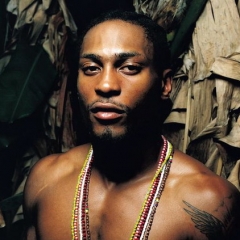 D'Angelo
 Psirico
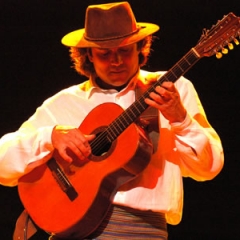 Almir Sater
 Sorriso Maroto
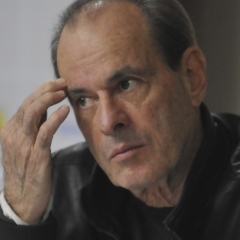 Ney Matogrosso
 Roupa Nova
 Ana Carolina
 Dubrazil
 Alcione
 Ludmilla
 Patrizia Laquidara