




M'bai pa Rotcha Scribida
M'ba panha três caninha verde
Conde m'bêm m'k'ocha
Mam Bia
Ó mãe, ó mãe, ó Mam Bia
Ó mãe, ó Mam Bia
Adeus nha mãe Maria da Cruz
Conde m'tava ta sai
Mam Bia flam "Nha fidjo
Deus ta companhob"
------------------------------
TRADUCTION
Je suis allé à Rotcha Scribida
Pour prendre trois brindilles vertes
Quand je suis rentré je n'ai pas trouvé
Mam Bia
Oh ma mère, oh ma mère, oh Mam Bia,
Oh ma mère, oh Mam Bia,
Adieu ma mère Maria da Cruz
Quand j'étais sur le point de partir,
Mam Bia m'a dit "Mon fils,
que Dieu t'accompagne".
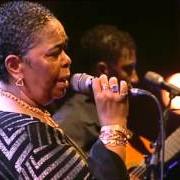
Cesária Évora (Praia, Cape Verde, August 27, 1941 – Praia, Cape Verde, December 17, 2011) was a Cape Verdean singer, known as the “barefoot diva” for performing without shoes. She is considered one of the most internationally renowned practitioners of "morna", a traditional Cape Verdean musical genre characterized by melancholic melodies and lyrics often dealing with themes of love, nostalgia, and longing. Évora began her career in the 1980s, singing in Praia nightclubs. Her breakthrough came in 1989 with the album "Cesaria Evora", followed by other successes such as "Tchi Tchi" (1992) and "Sodade" (1995). Her unique musical style, her warm voice, and her emotionally charged performances captivated international audiences. Évora collaborated with world-renowned artists like Jorge Ben Jor and Paul Simon. Her music has been featured in films and television programs, contributing to the spread of Cape Verdean culture worldwide. Some of her most representative songs are "Sodade", "Tchi Tchi" and "Nostalgia".
