

Te si nammurat e me, e nun pienz ca je so nu divorziat.
ca na figlia teng già, a te nun te ne importa ro passat.
e si pront a m'giurà, e me cancellà o'passat arind'o' core.
tu vuò sulament a me, e sai superà ogni cos pe m'avè.
Se vuoi amare me, pecchè è truat a chi t fà felice;
Se vuoi amare me, pecchè teng diritt e m'rifà na vit;
Se vuoi amare me, e vulè bben pur a sta criatur;
E parte pur e me, e je nun ma scurdass mai n'istant
Comm si bell, m fai murì quand m raij sti vas;
t' ress o' cor, ma nun so pront ancor lea capì;
Se vuoi amare me, pecchè tu over t'sì nnammurat;
Se vuoi amare me, contro a famiglia te mis p' mme.
M' raij forza quand tu, cust'ammor tu me faij sentì important.
E vuliss sta cu mmè, p'addiventà je e te na cosa sola.
E cumpagne nun t'và, e ce fà sapè ca e me si nnammurat.
Pe nun 'te fa giudicà, pecchè a st'ammor nun saije rinuncià.
Se vuoi amare me, pecchè è truat a chi t fà felice;
Se vuoi amare me, pecchè teng diritt e m'rifà na vit;
Se vuoi amare me, e vulè bben pur a sta criatur;
E parte pur e me, e je nun ma scurdass mai n'istant
Comm si bell, m fai murì quand m raij sti vas;
t' ress o' cor, ma nun so pront ancor lea capì;
Se vuoi amare me, pecchè tu over t'sì nnammurat;
Se vuoi amare me, contro a famiglia te mis p' mme.
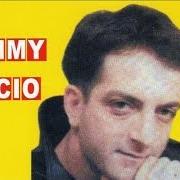
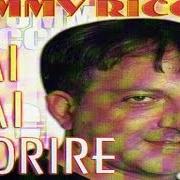
Tommaso Riccio, known as Tommy Riccio, is an Italian singer-songwriter from Naples active in the neomelodic music scene. Riccio is recognized for his powerful voice and catchy melodies that often explore themes of love, everyday life, and experiences in his hometown. Among his most popular songs are "A Te", "La Mia Napoli" and "Storie di Vita". His music has achieved great success with the Italian public, particularly in southern regions.
