









It was a teenage wedding, and the old folks wished them well
You could see that Pierre did truly love the madamoiselle
And now the young monsieur and madame have rung the chapel bell,
"C'est la vie", say the old folks, it goes to show you never can tell
They furnished off an apartment with a two room Roebuck sale
The coolerator was crammed with TV dinners and ginger ale,
But when Pierre found work, the little money comin' worked out well
"C'est la vie", say the old folks, it goes to show you never can tell
They had a hi-fi phono, boy, did they let it blast
Seven hundred little records, all rock, rhythm and jazz
But when the sun went down, the rapid tempo of the music fell
"C'est la vie", say the old folks, it goes to show you never can tell
They bought a souped-up jitney, 'twas a cherry red '53,
They drove it down to Orleans to celebrate the anniversary
It was there that Pierre was married to the lovely madamoiselle
"C'est la vie", say the old folks, it goes to show you never can tell
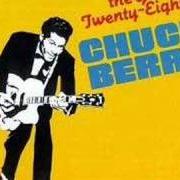
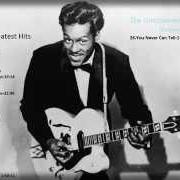
Chuck Berry (Charles Edward Anderson Berry) is considered one of the pioneers of rock and roll. Born in St. Louis, Missouri, in 1926, he began his musical career in the 1950s, profoundly influencing generations of musicians with his energetic guitar style and songs that celebrated adolescence, love, and freedom. Berry is known for iconic tracks like "Johnny B. Goode", "Roll Over Beethoven", and "Maybellene". His album "Chuck Berry Is on Top" (1959) is considered a rock and roll classic. His influence extends beyond music, with his dynamic performance style inspiring many artists who followed. Berry was also an important figure in the history of African American music, contributing to bringing blues and rock and roll to the mainstream.

 Shane Minor
 Goatwhore
 Willie Colon
 Blackberry Smoke
 Murphy Lee
 Bleed The Sky
 Curl Up And Die
 Agnostic Front
 Donna The Buffalo
 Four Fingers
 Joseph Arthur
 Dar Williams