




Yo que te veneré por ti arrastré la noche.
Yo que te veneré por ti arrasé la noche.
Por ti veneré la noche, por ti arrastré cadenas que no merecía.
Por ti me tragó la noche. Nadie merece la suerte del crepitar y el desgarro.
Por ti veneré la noche hasta salirme de vía.
Llegará una melodía en el viento sonará.
Sonará una barahúnda de truenos sonará y un oscuro viajero tañerá su cítara ante tu puerta.
Llegará su melodía, en el viento sonará, en medio de la noche anclada barco dormido, deshabitada estará tu alma....
Y yo te veneré
Y yo te veneré
Y yo te veneré
Tanto te veneré... Yo que te veneré por ti arrastré la noche.
Yo que te veneré, por ti arrasé mil noches.
Por ti veneré la noche, subi por ti esa rueda que quema la vida.
Por ti veneré la noche, que fue primera luz perdida, que fue sucia e inútil noche.
Siempre supe que esperar no serviría de nada. Al llegar a dios has empezado a irte y no lo soportaría.
Llegó una melodía, en el aire sonó, sonó una melodía de sirenas su cantar, un brillo de pura espuma de espejismo artero que nunca cesa.
Y yo te veneré
Y yo te veneré
Y yo te veneré
Y yo te veneré
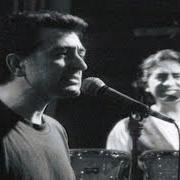
Manolo García (full name Manuel García Garcia-Pérez) is a Spanish singer-songwriter and painter born in Poblenou, Barcelona, on August 19, 1955. He began his musical career playing with rock bands such as Los Rapidos, Los Burros, and El Último de la Fila. His vocal style is a blend of pop rock, flamenco, and Arabic music. With El Último de la Fila, he achieved success in the 1990s, becoming a prominent figure in Spanish rock. He later embarked on a successful solo career, further solidifying his fame with albums such as «El último de la fila» (1993) and «Manolo García» (1996). His songs are characterized by poetic lyrics that explore themes of love, life, and loss. Among his most notable tracks are «Como un burro amarrado en la puerta de un baile», «Nunca el tiempo es perdido», and «Rosa de Alejandria». Manolo García is considered one of the most influential Spanish artists in the contemporary music scene.

 Diabulus In Musica
 Leonardo
 Álvaro Díaz
 Lydia
 Rapsusklei
 Nazgul
 El Barrio
 Ramoncín
 Taburete
 Marc Antoine
 Upa Dance
 Eduardo Cruz