



Temps, fa temps hi havia, vostè, mestra
I el seu món de tinter i banc
Pissarra i davantal blanc
Bon dia, de matí, ens deia dempeus
Entre dues "fotos" i una creu
Una oració i una cançó
I a la galta un petó
Bon dia mestra...
Però vostè no ha sabut mai, mestra
Que quan volíeu que cantés
Que tres per una feien tres
Els meus ullets grataven francament
Els genolls que púdicament
Vostè apretava i apretava
Però un número no val
El que una pell rosada...
Malgrat ens feia anar a església
I em prenia la regalèssia
Aquell
Era un món petit i meravellós
Un món de guixos de colors
Que pintàveu vós
I esborràveu vós...
Sols vostè voltada de capellans
Donàveu raó per a dir-se "infants"
A un món de quatre pams
I si mai penseu en mi, mestra
Que dels vostres ullets blaus
Hi neixi sempre aquella pau
Que feia un xic més dolça l'escola
I no se us faci un nus la gola
Dient: "què han fet... on han dut
El meu grapat de menuts..."
Perquè vós no sabíeu, mestra
Que el món és el mateix...
Que l'home és el mateix...
I no és el mateix
L'olor de vostè
Ai! mestra
Que l'aire del carrer
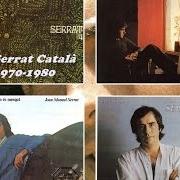
Joan Manuel Serrat i Teresa (Barcelona, 1943) is one of the most beloved and influential Spanish singer-songwriters of all time. His career, which began in the 1960s, is characterized by a deep poetic sensibility, the skillful use of the Catalan language, and a repertoire that ranges from folk to songwriting, passing through jazz and popular music. Serrat is known for his intense and emotional interpretations, often accompanied by an acoustic guitar. Among his most famous songs are "Testament", "La Mala Vida", "Mediterráneo" and "El Cantante", the latter becoming an anthem for freedom of expression. Serrat has collaborated with numerous international artists, including Pablo Milanés and Víctor Jara. Throughout his long career he has won numerous awards, including the Premio Nacional de Música (1986) and the Grammy Award for Lifetime Achievement (2007). His music has been a source of inspiration for generations of musicians and continues to be appreciated worldwide.

 Maria Del Mar Bonet
 María Bestar
 Siniestro Total
 Natalia Rodríguez
 Leo Jiménez
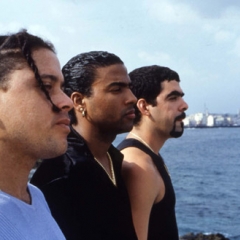 Orishas
 Raphael
 Carlos Sadness
 Soleá Morente
 Paradisio
 Marea
 Camila