






¿Quién me presta una escalera,
para subir al madero,
para quitarle los clavos
a Jesús el Nazareno?
¡Oh, la saeta, el cantar
al Cristo de los gitanos,
siempre con sangre en las manos,
siempre por desenclavar!
¡Cantar del pueblo andaluz,
que todas las primaveras
anda pidiendo escaleras
para subir a la cruz!
¡Cantar de la tierra mía
que echa flores
al Jesús de la agonía,
y es la fe de mis mayores!
¡Oh, no eres tú mi cantar!
¡No puedo cantar ni quiero
a ese Jesús del madero,
sino al que anduvo en el mar!
Oh, no eres tú mi cantar!
¡No puedo cantar ni quiero
a ese Jesús del madero,
sino al que anduvo en el mar!
Oh, no eres tú mi cantar!
¡No puedo cantar ni quiero
a ese Jesús del madero,
sino al que anduvo en el mar!
Oh, no eres tú mi cantar!
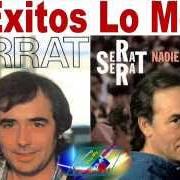
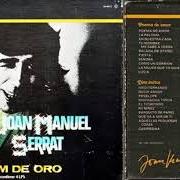
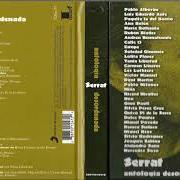
Joan Manuel Serrat i Teresa (Barcelona, 1943) is one of the most beloved and influential Spanish singer-songwriters of all time. His career, which began in the 1960s, is characterized by a deep poetic sensibility, the skillful use of the Catalan language, and a repertoire that ranges from folk to songwriting, passing through jazz and popular music. Serrat is known for his intense and emotional interpretations, often accompanied by an acoustic guitar. Among his most famous songs are "Testament", "La Mala Vida", "Mediterráneo" and "El Cantante", the latter becoming an anthem for freedom of expression. Serrat has collaborated with numerous international artists, including Pablo Milanés and Víctor Jara. Throughout his long career he has won numerous awards, including the Premio Nacional de Música (1986) and the Grammy Award for Lifetime Achievement (2007). His music has been a source of inspiration for generations of musicians and continues to be appreciated worldwide.

 La Fuga
 Ainhoa
 Marta Quintero
 The Zombies
 Eduardo Cruz
 Def Con Dos
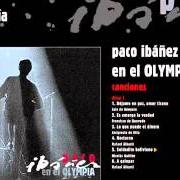 Paco Ibáñez
 Kiko & Shara
 Fetén Fetén
 Héroes del Silencio
 David Bustamante
 Rocio Durcal