








No escojas sólo una parte,
tómame como me doy,
entero y tal como soy,
no vayas a equivocarte.
Soy sinceramente tuyo,
pero no quiero, mi amor,
ir por tu vida de visita,
vestido para la ocasión.
Preferiría con el tiempo
reconocerme sin rubor.
Cuéntale a tu corazón
que existe siempre una razón
escondida en cada gesto.
Del derecho y del revés
uno sólo es lo que es
y anda siempre con lo puesto.
Nunca es triste la verdad,
lo que no tiene es remedio.
Y no es prudente ir camuflado
eternamente por ahí
ni por estar junto a ti
ni para ir a ningún lado.
No me pidas que no piense
en voz alta por mi bien,
ni que me suba a un taburete
si quieres, probaré a crecer.
Es insufrible ver que lloras
y yo no tengo nada que hacer.
Cuéntale a tu corazón
que existe siempre una razón
escondida en cada gesto.
Del derecho y del revés,
uno sólo es lo que es
y anda siempre con lo puesto.
Nunca es triste la verdad
lo que no tiene es remedio.
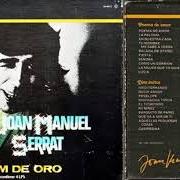
Joan Manuel Serrat i Teresa (Barcelona, 1943) is one of the most beloved and influential Spanish singer-songwriters of all time. His career, which began in the 1960s, is characterized by a deep poetic sensibility, the skillful use of the Catalan language, and a repertoire that ranges from folk to songwriting, passing through jazz and popular music. Serrat is known for his intense and emotional interpretations, often accompanied by an acoustic guitar. Among his most famous songs are "Testament", "La Mala Vida", "Mediterráneo" and "El Cantante", the latter becoming an anthem for freedom of expression. Serrat has collaborated with numerous international artists, including Pablo Milanés and Víctor Jara. Throughout his long career he has won numerous awards, including the Premio Nacional de Música (1986) and the Grammy Award for Lifetime Achievement (2007). His music has been a source of inspiration for generations of musicians and continues to be appreciated worldwide.

 Vaya Con Dios
 La Oreja De Van Gogh
 Traviezoz De La Zierra
 Zahara
 Spain
 Gipsy Kings
 Antonio Orozco
 El Koala
 Xoel López
 Bruna
 Ska-P
 Samantha Moore