


La sera che partì mio padre
noi s'era alla finestra a guardare,
guardare per vederlo andare,
andare neanche tanto lontano,
muovere neanche la mano.
La sera che partì mio padre
non c'erano canzoni da ascoltare
perché la radio continuò a parlare
e miuo padre andava
per non tornare più.
La sera che partì soldato
gli dissero di non sparare
che era solo roba da leva militare
bastava dire soltanto "Altolà".
La sera che arrivò sua madre
che lo vide bianco senza più respirare
aveva in mano il telegramma
medaglia d'oro per l'Altolà.
La sera che me ne andrò anch'io
io spero solo, solo che sia Natale
perché a Natale stanno tutti in casa
a mangiare, a bere, ascoltarsi parlare.
La sera che me ne andrò anch'io
diranno che dovevo andare
diranno che non vado a star male
ma io so già che là non si sta così.
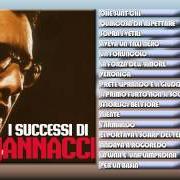
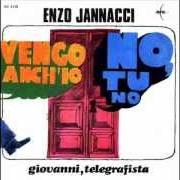
Enzo Jannacci (Milan, March 1, 1935 – Milan, October 27, 2018) was an Italian singer-songwriter, musician, and actor. Considered one of the pillars of Italian popular music, he successfully combined folk songwriting with jazz influences and theatrical elements. His career, which began in the 1960s, has been characterized by a constant musical search and a sharp irony that have made him one of the most beloved artists by the Italian public. Among his most famous songs are "When a Musician Laughs", "No tu no", "My Friend", "The Song of the Sun" and "Milan 3.6.2005". Jannacci collaborated with numerous artists, including Paolo Conte and Mina, and participated in important music festivals such as the Sanremo Music Festival. His music has often been used in films and television programs, contributing to its popularity.

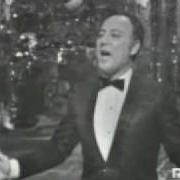 Claudio Villa
 Gianni Kg
 Nuove Strade
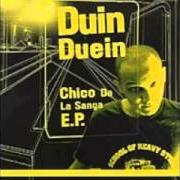 Duin Duein
 Benji & Fede
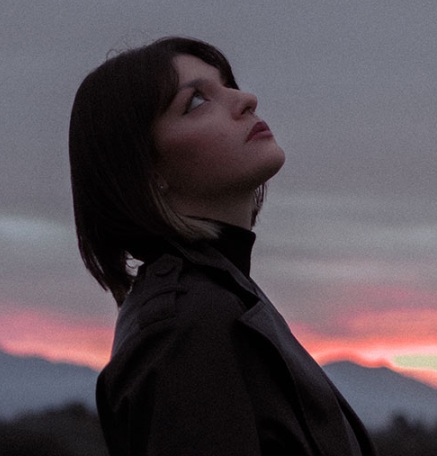 Estrels
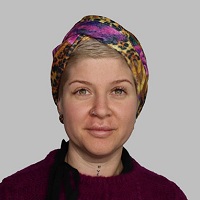 Lapard
 Lucio Dalla E Francesco De Gregori
 Andrea Chimenti
 Gio Filice
 Toranogaman
 Regina Mab