





Andare al mare anche se è inverno
partir domani per il mondo
poi lavorare a ferragosto
per costruire un nuovo corso
lasciarsi andare con un pianto
fare l'amore tutto un giorno
poi camminare a capodanno
in mezzo ai boschi con il freddo
poi cucinare cose buone
tenersi il tempo per pensare
cantare in una stazione
offrire un vino a un mascalzone
Sono le cose che che potremmo fare
cose sacre cose da tentare
ma quante cose che dovremmo fare
ma ognuno dondola nel proprio mare
Fare le cose senza orgoglio
piantare un albero d'autunno
poi fare un tuffo molto alto
tenendo aperti gli occhi sotto
fare un disegno di un tramonto
dare ragione ad un bambino
fare pace con te stesso
se non ci riesci fa lo stesso
poi fare un sogno molto lungo
tornare a casa molto stanco
gioire di un acquazzoner
offrire un vino a un suonatore
Sono le cose che che potremmo fare
cose sacre cose da tentare
ma quante cose che dovremmo fare
ma ognuno dondola nel proprio mare
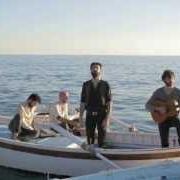
Ex-Otago is an Italian musical group formed in the 1990s, known for its experimental and post-rock sound. The band has released several albums, including "Tanti Saluti", considered one of their most representative works. The name of the group derives from a phrase spoken by a character in a Japanese film that the members saw during the formation of the band. Despite achieving success in Italy, Ex-Otago remained a relatively underground group, with a loyal but not massive fanbase. Their music is characterized by dark and introspective atmospheres, influenced by American post-rock and experimental electronic music. Among Ex-Otago's most well-known songs are "The End of the World", "The Sky Above the City" and "Tanti Saluti".

 Benna
 Centomila
 Necessità Primaria
 Lucio Dalla & The Yardbirds
 Bolero
 Banda Putiferio
 Alibia
 Crio
 Naike Rivelli
 Mario Signorile
 Maserio
 Nicola Arigliano