





Aprender a reírse torvamente,
a mirar de reojo en los bautizos,
a negar el asiento a las señoras,
a orinar dibujando circulitos.
Aprender a fruncir el entrecejo,
a enfadar a las monjas y a los niños,
a poner zancadillas al guardia urbano,
a escupir sin piedad por un colmillo.
Preferir la navaja a la pistola,
el vino peleón al Jerez fino,
el infame pañuelo a la corbata,
una venus de Murcia a la de Milo.
Aprender a cortarse la cabeza,
a vestir negro luto de domingos,
a decir palabrotas en los trenes,
a jugar al parchís con los bandidos.
Apurar los licores del fracaso,
trasladarse a vivir al barrio chino,
propagar mil rumores alarmantes,
aprender a ser malo y fugitivo.
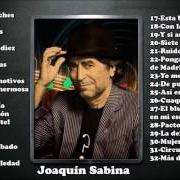
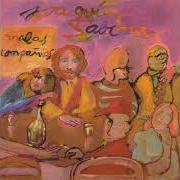
Joaquín Sabina (born Joaquín Ramón Martínez Sabina on July 15, 1949 in Úbeda, Spain) is one of the most influential and beloved singer-songwriters in Latin music. Known for his incisive poetry, catchy melodies, and raspy voice, Sabina has captivated a vast audience throughout Latin America and the Spanish-speaking world. His musical journey began in the 1960s with experiences in rock bands and Spanish singer-songwriters. In 1975, he released his debut album, "Inventario", which introduced him to the Spanish public. Over the following years, Sabina solidified his fame with albums such as "Malas compañías" (1982), "19 días y 500 noches" (1984) and "El viaje" (1989). His songs often address social, political, and personal themes, always with a touch of irony and sarcasm. Sabina is known for his collaborations with other artists such as Joan Manuel Serrat, Fito Páez, and Miguel Ríos. Some of his most famous songs include "Y nos dieron las diez", "La Mandrágora", "Contigo" and "Pajarita de papel". Besides music, Sabina is also a talented poet with several collections of verses published.

 Ainhoa
 Paradisio
 Andrés Suarez
 Lorca
 Manu Tenorio
 Belén Arjona
 La Frontera
 Els Amics De Les Arts
 Alex Ubago
 Nico Santos
 Luis Ramiro
 El Sueño De Morfeo