





Me gusta todo de ti:
tus ojos de fiera en celo,
el filo de tu nariz,
el resplandor de tu pelo.
Me gusta todo de ti.
Me gusta todo de ti:
la luna de tu sonrisa
de gato de Chesire
colgada de la cornisa.
El colágeno y la miel
de tus labios perfilados,
tus pómulos afilados,
los modales de tu piel.
Me gusta todo de ti,
pero tú no.
Tú no.
Me gusta todo de ti:
tu ombligo menudo y chato
tu talle de maniquí,
el lunar de tu omoplato.
Me gusta todo de ti.
Me gusta todo de ti:
tus pezones como lilas
tu alcancía carmesí
tus ingles y tus axilas.
Todo esconde un "no se qué"
de los pies a la cabeza.
Me gustas, pero por piezas;
te quiero, pero a pedazos.
Me gusta todo de ti,
pero tú no.
Tú no.
Me gusta todo de ti.
Por eso, muchacha guapa,
me diste la lengua y
me la planté en la solapa.
Me gusta todo de ti.
Rescaté tu corazón
del cubo de la basura
para hacerme un medallón
de bisutería pura.
Me gusta todo de ti.
Eres tan linda por fuera
que a retales yo quisiera
llevarte puesta de adorno.
Me gusta todo de ti,
pero tú no.
Tú no.
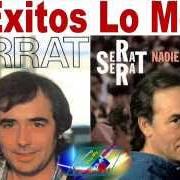
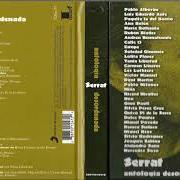
Joan Manuel Serrat i Teresa (Barcelona, 1943) is one of the most beloved and influential Spanish singer-songwriters of all time. His career, which began in the 1960s, is characterized by a deep poetic sensibility, the skillful use of the Catalan language, and a repertoire that ranges from folk to songwriting, passing through jazz and popular music. Serrat is known for his intense and emotional interpretations, often accompanied by an acoustic guitar. Among his most famous songs are "Testament", "La Mala Vida", "Mediterráneo" and "El Cantante", the latter becoming an anthem for freedom of expression. Serrat has collaborated with numerous international artists, including Pablo Milanés and Víctor Jara. Throughout his long career he has won numerous awards, including the Premio Nacional de Música (1986) and the Grammy Award for Lifetime Achievement (2007). His music has been a source of inspiration for generations of musicians and continues to be appreciated worldwide.

 Kaydy Cain
 Najwa Nimri
 Juan Magán
 Fran Perea
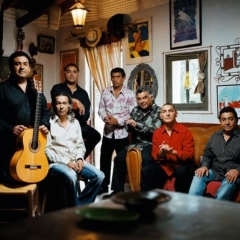 Gipsy Kings
 Sober
 Barricada
 Sergio Dalma
 Carlos Ann
 Buika
 Soleá Morente
 El Arrebato